The global wellness industry in 2026 is more competitive, sophisticated, and client-focused than ever before. Spa businesses are no longer judged solely on ambiance or service menus—they are evaluated based on the quality of their therapists, the personalization of treatments, and the consistency of the overall experience. In this evolving landscape, recruiting the best spa therapists has become a strategic priority rather than a routine hiring task.
Finding and retaining top-tier therapists requires a refined approach that combines industry knowledge, modern recruitment strategies, and a strong employer brand. Whether you operate a luxury spa, a boutique wellness studio, or a large-scale resort, your success ultimately depends on the people delivering your services. This guide explores how to effectively recruit the best spa therapists in 2026 while staying aligned with current industry trends.
The Evolving Role of Spa Therapists in 2026
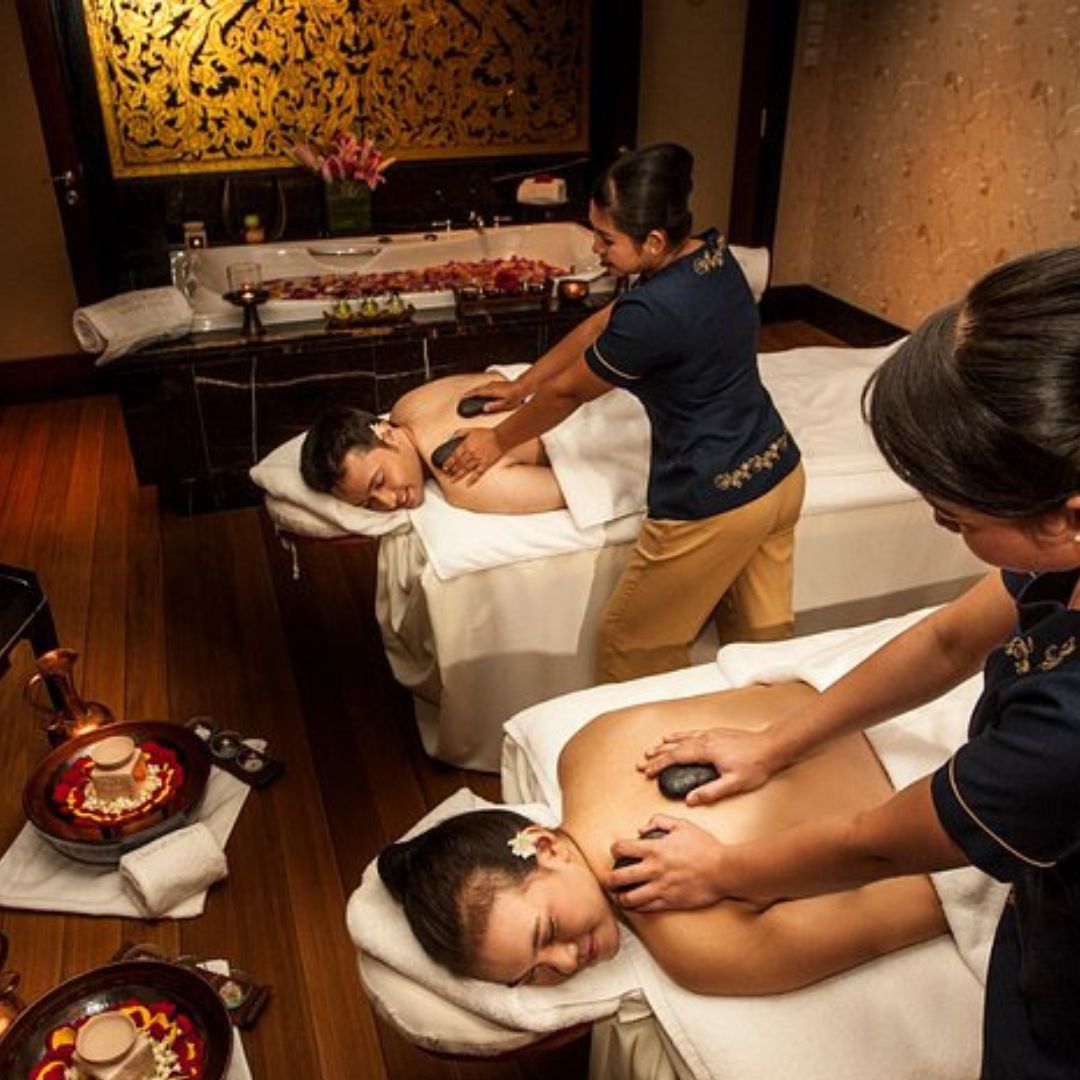
The expectations placed on spa therapists have expanded significantly in recent years. Today’s therapists are not only service providers but also wellness advisors who play a key role in shaping the client experience. They are expected to understand individual client needs, recommend appropriate treatments, and deliver results that go beyond relaxation.
Modern spa therapists must be well-versed in a variety of techniques, including traditional therapies such as Thai massage and aromatherapy, as well as advanced skincare and holistic wellness practices. In addition to technical expertise, emotional intelligence and communication skills are essential. Clients increasingly seek personalized, meaningful interactions, and therapists who can build trust and rapport stand out in a crowded market.
Digital literacy is another important factor. Many spas now use advanced booking systems, CRM tools, and wellness tracking technologies. Therapists who are comfortable with these systems can contribute to smoother operations and enhanced client satisfaction.
Defining the Ideal Candidate Profile
Recruiting effectively begins with a clear understanding of what you are looking for. The ideal spa therapist in 2026 is a well-rounded professional who combines technical skill with a client-centered mindset.
Formal training and certification from recognized institutions remain essential. A strong foundation in anatomy, physiology, and treatment techniques ensures that therapists can deliver safe and effective services. However, technical ability alone is not enough.
Soft skills are equally important. Empathy, attentiveness, and professionalism directly influence the client experience. A therapist’s ability to create a calming environment, listen actively, and respond to client needs can significantly impact customer satisfaction and loyalty.
Adaptability is another key trait. The wellness industry continues to evolve, with new treatments, technologies, and client expectations emerging regularly. Therapists who are open to continuous learning and professional development bring long-term value to your business.
Where to Find Top Spa Talent
In 2026, recruitment channels have diversified, offering spa businesses multiple ways to connect with qualified candidates. Relying on a single platform is no longer sufficient.
Online job platforms such as LinkedIn and Indeed remain essential tools for reaching a broad audience. However, niche wellness job boards and industry-specific platforms often provide access to more targeted candidates. Social media platforms, particularly Instagram, have also become powerful recruitment tools, allowing spas to showcase their brand, culture, and work environment.
Networking within the wellness community is equally valuable. Attending industry events, spa expos, and training workshops can help you connect with experienced therapists who may not be actively seeking new opportunities but are open to the right offer.
Collaborating with massage schools and training institutes is another effective strategy. Building relationships with reputable schools allows you to recruit promising graduates early in their careers and train them according to your standards.
Employee referrals should not be underestimated. Current team members often have connections within the industry and can recommend candidates who are likely to be a good cultural fit.
Recommended Training Partner for Quality Therapists
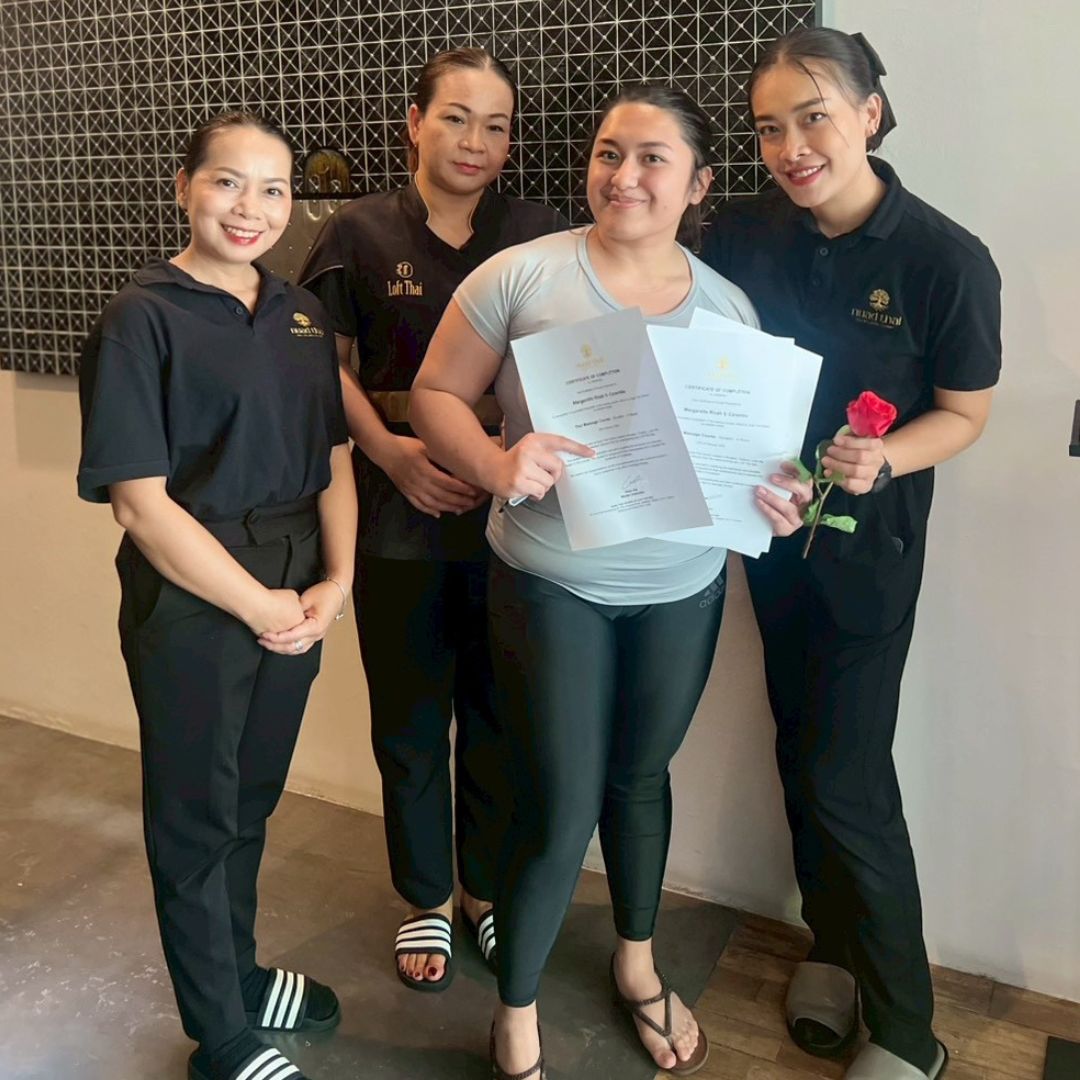
For spa owners looking to recruit well-trained and job-ready therapists, partnering with a reputable institution can make a significant difference. One highly recommended option is Nuad Thai School, known for its professional training programs in traditional Thai massage and modern wellness techniques. Graduates from such institutions typically have a strong foundation in both theory and practical skills, making them valuable additions to any spa team. Collaborating with established schools not only streamlines recruitment but also ensures a consistent standard of service quality within your business.
Building a Strong Employer Brand
In a competitive hiring market, attracting top spa therapists requires more than just offering a job—it requires offering a compelling career opportunity. Your employer brand plays a critical role in this process.
A strong employer brand communicates your spa’s values, culture, and commitment to employee development. It highlights what makes your business unique, whether it is a focus on luxury experiences, holistic wellness, or professional growth.
Your online presence is a key component of your brand. A well-designed website, active social media profiles, and authentic content can help you stand out. Sharing behind-the-scenes insights, team achievements, and employee testimonials creates transparency and builds trust with potential candidates.
Clear communication is also essential. Candidates want to understand what it is like to work at your spa, what opportunities for growth exist, and how their contributions will be valued. Providing this information upfront can significantly improve the quality of applicants.
Writing an Effective Job Description
A well-crafted job description is one of the most important tools in your recruitment strategy. It serves as the first point of contact between your business and potential candidates.
Start with a compelling introduction that reflects your brand identity and sets the tone for the role. Clearly outline the responsibilities, including the types of treatments the therapist will perform and any additional duties such as client consultations or product recommendations.
Specify the required qualifications and experience, but avoid being overly restrictive. Including preferred skills allows you to attract a wider range of candidates while still identifying top performers.
Highlight the benefits and opportunities you offer. Competitive compensation, training programs, career advancement, and a positive work environment are all strong selling points. In 2026, candidates are increasingly prioritizing work-life balance and professional development, so these aspects should be clearly emphasized.
Optimizing the Interview Process
The interview process is your opportunity to evaluate candidates in depth and determine whether they are the right fit for your spa. A structured approach ensures consistency and better decision-making.
Begin with an initial screening to assess communication skills, experience, and overall suitability. This can be conducted via phone or video call, especially when dealing with international candidates.
A practical assessment is essential in the spa industry. Asking candidates to perform a treatment allows you to evaluate their technique, professionalism, and interaction with clients. This step provides valuable insights that cannot be gained from a resume alone.
Behavioral interview questions can help you understand how candidates handle real-world situations. Ask about their previous experiences, challenges they have faced, and how they approach customer service.
Cultural fit should also be considered. A candidate who aligns with your spa’s values and team dynamics is more likely to contribute positively and remain with your business long-term.
Leveraging Technology in Recruitment
Technology continues to transform recruitment processes across industries, and the spa sector is no exception. Leveraging digital tools can improve efficiency and enhance your ability to identify top candidates.
Applicant tracking systems (ATS) help streamline the hiring process by organizing applications, filtering candidates, and tracking progress. Video interviews and virtual assessments make it easier to connect with candidates from different locations.
Artificial intelligence is increasingly used to analyze resumes and identify suitable candidates. While these tools can save time, they should be used alongside human judgment to ensure the best results.
Digital portfolios and online certifications are also becoming more common, allowing employers to verify qualifications and review candidates’ work more easily.
Offering Competitive Compensation and Benefits
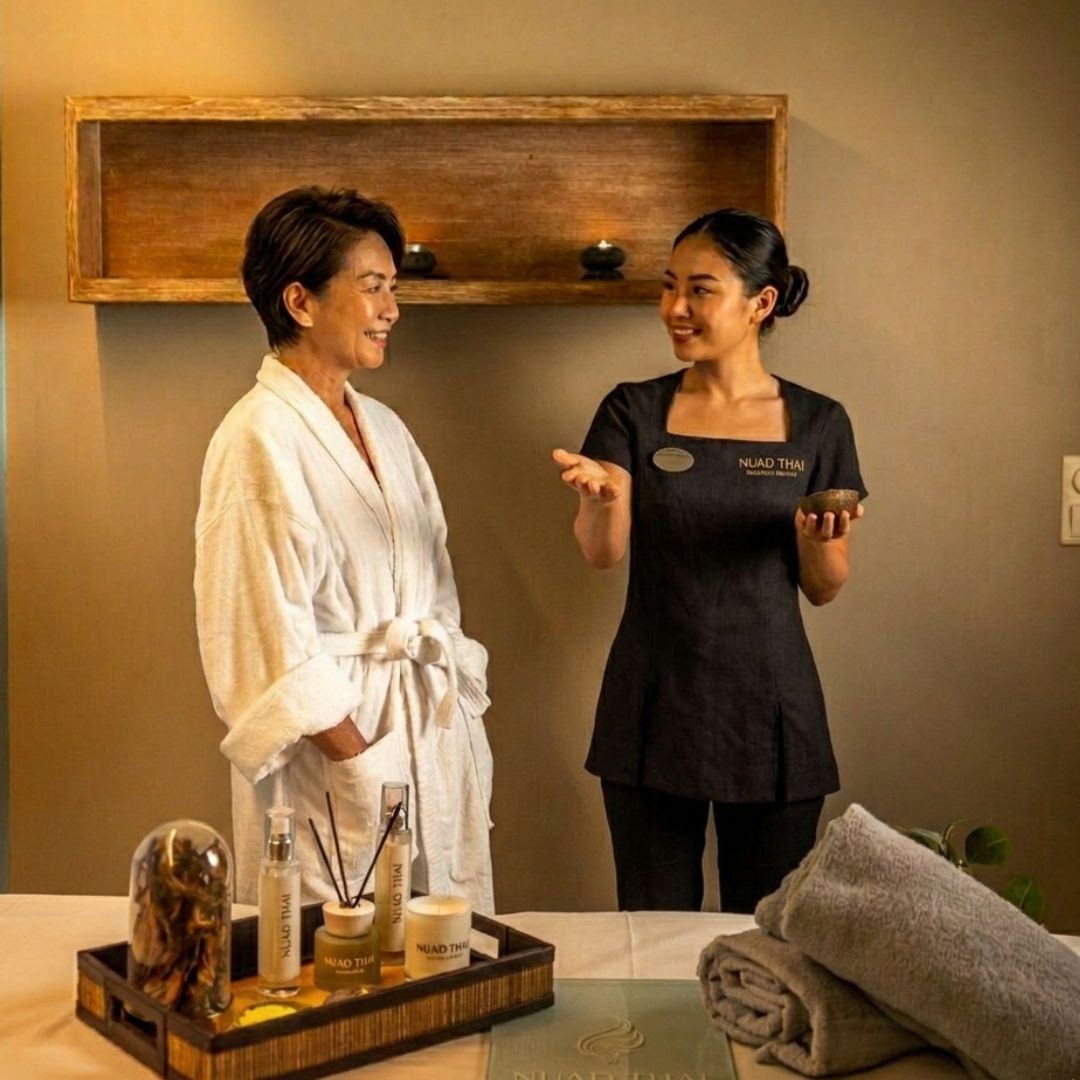
Attracting the best spa therapists requires offering a competitive and well-rounded compensation package. In 2026, therapists are looking for more than just a salary—they are seeking stability, growth, and a supportive work environment.
Competitive base salaries, commission structures, and performance bonuses are essential. Transparency in compensation builds trust and helps set clear expectations.
Additional benefits such as health insurance, paid leave, and flexible working hours are increasingly important. Professional development opportunities, including training programs and certifications, can also make your offer more attractive.
Creating a positive workplace culture is equally important. Therapists are more likely to join and stay with a business that values their contributions and supports their growth.
Effective Onboarding and Continuous Training
Recruitment does not end once a candidate is hired. A structured onboarding process is essential for integrating new therapists into your team and ensuring consistent service quality.
Orientation programs should introduce new hires to your spa’s standards, procedures, and values. Hands-on training ensures that therapists are familiar with your treatments and protocols.
Continuous training is crucial in a rapidly evolving industry. Encouraging therapists to upgrade their skills and learn new techniques keeps your team competitive and motivated. Workshops, certifications, and mentorship programs can all contribute to ongoing development.
Retention: Keeping Your Best Talent
Retaining top spa therapists is just as important as recruiting them. High turnover can disrupt operations and affect the client experience.
Creating a positive work environment is key. Recognize achievements, provide regular feedback, and maintain open communication. Therapists who feel valued are more likely to remain loyal to your business.
Career growth opportunities also play a significant role in retention. Offering promotions, leadership roles, and skill development programs can increase job satisfaction and motivation.
Work-life balance should not be overlooked. Fair scheduling practices and manageable workloads contribute to employee well-being and long-term retention.
Common Recruitment Mistakes to Avoid
Even experienced spa managers can make mistakes during the hiring process. Being aware of these pitfalls can help you improve your recruitment strategy.
Rushing the hiring process often leads to poor decisions. Taking the time to thoroughly evaluate candidates ensures better outcomes.
Focusing solely on technical skills while neglecting soft skills can result in a subpar client experience. Both aspects are equally important.
Lack of transparency in job descriptions and interviews can lead to misunderstandings and dissatisfaction. Clear communication is essential at every stage.
Ignoring cultural fit can disrupt team dynamics and negatively impact overall performance.
Future Trends in Spa Recruitment
Looking ahead, several trends are shaping the future of spa therapist recruitment. Staying informed about these trends can help you remain competitive.
Specialization is becoming increasingly important, with clients seeking advanced and personalized treatments. Therapists with niche expertise will be in high demand.
Sustainability and wellness-focused practices are gaining traction. Spas that align with these values can attract both clients and employees who share similar priorities.
Digital learning platforms are making it easier for therapists to upgrade their skills, creating new opportunities for professional development.
Diversity and inclusion are also becoming central to recruitment strategies, as businesses recognize the value of a diverse workforce in delivering exceptional client experiences.
Conclusion
At a glance: how to assess How to Recruit the Best Spa Therapists in 2026
| Lens | Why it matters | What to verify |
|---|---|---|
| Workforce plan | Demand forecasts should translate into safe staffing and realistic schedules. | Skills mix, workload, breaks and succession |
| Competence | Training is strongest when observed and refreshed in practice. | Assessment, supervision and continuing learning |
| Service design | Clear handoffs reduce inconsistency and guest friction. | Booking, consultation, treatment and recovery |
| Quality loop | Feedback should lead to documented action. | Incidents, complaints, audits and improvement owner |
What the evidence adds
Consistent guest experience depends on systems and people rather than scripts alone. ILO work on tourism and hospitality skills highlights the value of aligning training with labour-market needs, while ISO 17679 offers a spa-service reference point. Consult ILO tourism and hospitality skills work and ISO 17679 wellness spa service requirements for the underlying definitions, evidence and limitations.
For operators, How to Recruit the Best Spa Therapists in 2026 is best treated as a management question rather than a campaign slogan. The guest promise must be visible in recruitment, consultation, hygiene, treatment delivery, accessibility, complaints and follow-up. When those systems are documented, recognition can communicate real work instead of covering gaps with prestige language.
For guests and readers
The central editorial test for How to Recruit the Best Spa Therapists in 2026 is proportionality. Evidence should match the size of the claim, dates should be visible, and commercial relationships should be disclosed. This produces writing that remains useful after a trend cycle or award edition has passed and gives readers a clear route to verify what may have changed.
For spa and wellness professionals
Translate the subject into observable standards: who owns the decision, which record demonstrates it, how often it is reviewed and how a guest can raise a concern. That discipline supports clearer editorial claims, stronger operations and a more credible relationship between recognition and the lived experience.
How to use this perspective
- Define the competencies required for each role.
- Verify qualifications rather than relying on job titles.
- Build paid learning time into staffing models.
- Audit the complete guest journey.
- Close the loop on complaints and incidents.
Editorial boundary: spa and wellness information supports informed choice but does not replace individual medical advice, local regulation or direct verification with the provider.
Related Spa Awards reading
Continue with A Comprehensive Guide for Spa Owners and Managers and Tips to Elevate Your Spa’s Customer Experience: Beyond Basic Service. These perspectives add context without changing this article’s original URL or publication record.
Editorially reviewed and expanded on 16 July 2026. Time-sensitive offers, prices, personnel and operating details should be reconfirmed with the named provider.