In the highly visual and experience-driven world of luxury wellness, a spa's design is far more than just aesthetics; it is a fundamental component of the overall guest journey and a critical factor in achieving industry accolades worldwide.
An award-winning spa seamlessly integrates architectural brilliance, thoughtful interior design, and a harmonious flow to create a sanctuary that not only impresses discerning guests but also captifies the rigorous eye of award judges.
It's about crafting an immersive environment that soothes the senses, evokes emotion, and supports the transformative power of the treatments within.
This article will delve into the essential elements of spa design that wows judges and guests, offering insights into how strategic choices in layout, materials, lighting, and unique features can elevate a spa from merely functional to truly extraordinary.
1. Creating a Seamless and Intuitive Journey (Flow)
Exceptional spa design prioritizes a seamless and intuitive guest journey, guiding visitors effortlessly from arrival to departure, enhancing relaxation and privacy.
- Clear Arrival & Transition Zones: The entrance should immediately convey a sense of calm and escape. Transition areas, such as changing rooms, pre-treatment lounges, and post-treatment relaxation spaces, should be thoughtfully designed to minimize stress and maximize tranquility.
- Privacy & Seclusion: An award-winning spa ensures privacy at every stage. This means strategically placed partitions, soundproofing in treatment rooms, and secluded relaxation zones where guests can truly unwind without interruption.
- Logical Layout: The flow from one area to another should be natural and unforced. Guests should intuitively know where to go next, reducing any potential for confusion or discomfort.
- Consideration for All Guests: Design should accommodate diverse needs, including accessibility for individuals with mobility challenges, without compromising on luxury or aesthetic appeal.
A well-designed flow ensures that the physical space enhances the psychological journey of relaxation and rejuvenation.
2. Engaging All Five Senses (Sensory Design)
Truly impactful spa design engages all five senses, creating an immersive and memorable experience that leaves a lasting impression on guests and judges.
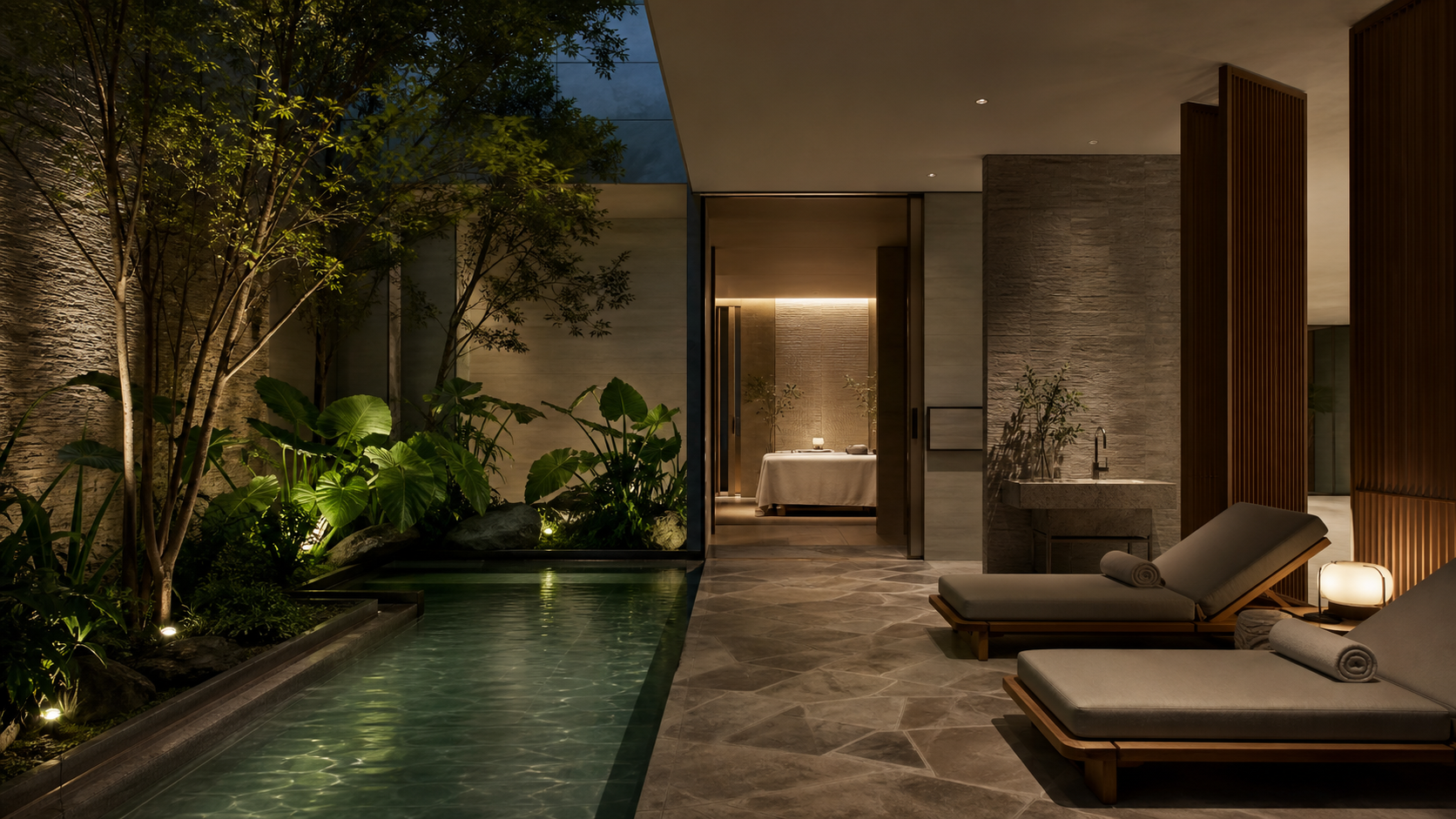
- Visual Harmony: This encompasses the color palette (often calming neutrals, earthy tones, or muted blues/greens), natural light integration (using skylights, large windows with serene views, or subtle backlighting), and thoughtful artwork or natural elements (water features, living walls). Clutter is minimized to promote a sense of calm.
- Soothing Acoustics: Sound design is critical. This involves superior soundproofing to block external noise, strategically placed subtle background music (meditative, nature sounds), and the gentle sounds of water features or calming chimes.
- Signature Aromas: Creating a consistent, subtle, and pleasant signature scent throughout the spa using high-quality essential oil diffusers. This avoids overpowering artificial fragrances and contributes to brand identity.
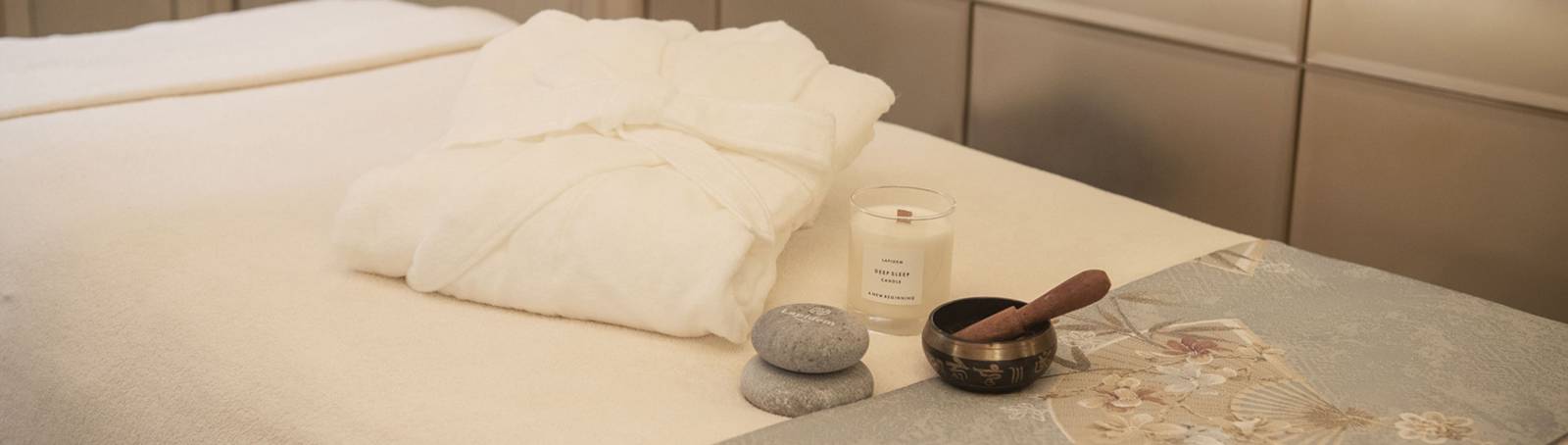
- Tactile Comfort: The feel of materials matters. Plush fabrics for robes and linens, soft textures for seating, smooth natural stone or wood underfoot, and comfortable, ergonomic treatment beds contribute to physical comfort and luxury.
- Tasteful Refreshments: Offering refreshing, healthy beverages (infused water, herbal teas) and light, nourishing snacks in relaxation areas provides a subtle indulgence and enhances the overall sensory experience.
When all senses are harmonized, the spa becomes a truly immersive sanctuary that profoundly impacts well-being.
3. Thoughtful Selection of Materials and Textures
The choice of materials and textures defines the aesthetic and tactile quality of a spa, conveying luxury, purity, and connection to nature.
- Natural Materials: Award-winning spas often incorporate an abundance of natural materials such as polished wood, natural stone (marble, granite, slate), bamboo, and plants. These evoke a sense of calm, authenticity, and connection to the earth.
- Rich Textures: Varying textures add depth and interest. Think rough stone alongside smooth wood, plush velvet against cool linen, or delicate silks complementing solid ceramics.
- Durability and Sustainability: Beyond beauty, materials are chosen for their durability, ease of maintenance, and often their sustainable sourcing. This reflects a commitment to quality and environmental responsibility.
- Water Features: The use of water, whether in serene reflection pools, cascading waterfalls, or bubbling fountains, adds both visual appeal and a calming auditory element.
These material choices create an environment that feels luxurious, authentic, and inherently relaxing.
4. Integration of Nature and Biophilic Design
Bringing the outside in, integration of nature and biophilic design is a powerful trend in award-winning spas, promoting healing and well-being.
- Natural Light: Maximizing natural light exposure where appropriate, using large windows, skylights, or open-air elements to connect guests with the time of day and the outdoors.
- Living Walls & Greenery: Incorporating vertical gardens, potted plants, and lush indoor landscaping to improve air quality, reduce stress, and create a vibrant, calming atmosphere.
- Natural Views: Designing spaces that offer serene views of gardens, water bodies, or natural landscapes, providing a visual escape.
- Sound of Nature: Integrating natural sound elements like birdsong or flowing water, either directly or through subtle audio systems.
Biophilic design connects guests with the restorative power of nature, enhancing mental and physical well-being.
5. Unique Features and Signature Elements
Beyond the fundamentals, award-winning spas distinguish themselves through unique features and signature elements that create memorable impressions and ensure guest satisfaction.
- Hydrotherapy Circuits: State-of-the-art thermal suites, vitality pools, hammams, saunas, and steam rooms that offer a comprehensive hydrotherapy journey.
- Specialized Relaxation Spaces: Bespoke relaxation lounges like salt caves, infrared relaxation pods, or unique quiet zones designed for specific types of rejuvenation.
- Art and Sculpture: Thoughtfully placed art pieces or sculptures that enhance the aesthetic and create focal points, contributing to the spa's unique identity.
- Bespoke Changing Rooms: Luxurious changing facilities with private showers, premium amenities, and ample space, making the pre- and post-treatment experience as comfortable as the treatment itself.
- Signature Treatment Rooms: Dedicated rooms designed specifically for certain signature treatments, creating a distinct ambiance and enhancing the overall ritual.
These distinct features contribute to the spa's identity, making it truly stand out in a crowded market.
Conclusion
Spa design is a nuanced art form that plays a pivotal role in creating an award-winning experience. It's about orchestrating a seamless guest journey, engaging all five senses through meticulous sensory design, making thoughtful choices in materials and textures, integrating the healing power of nature, and incorporating unique features that leave a lasting impression.
For spas aspiring to captivate both discerning guests and rigorous judging panels, investing in thoughtful, holistic design is not just an expense; it's a strategic investment in cultivating an unparalleled sanctuary of serenity and success, truly embodying the essence of an award-winning establishment.
At a glance: how to assess Spa Design That Wows Judges and Guests: Crafting a Sanctuary of Serenity
| Lens | Why it matters | What to verify |
|---|---|---|
| Eligibility | A clear scope prevents unlike businesses from being compared as if they were identical. | Published category, geography and operating status |
| Evidence | Claims should be supported by current, reviewable material rather than promotional language. | Policies, service records, training and guest-facing proof |
| Assessment | A repeatable rubric makes recognition more intelligible and defensible. | Criteria, reviewer independence and conflict controls |
| Publication | Results need dates, methodology and a route back to the underlying record. | Edition, citation, correction path and archive status |
- 01ELIGIBILITYClarify the question
- 02EVIDENCEReview the evidence
- 03REVIEWAssess the practice
- 04PUBLICATIONReach a proportionate view
What the evidence adds
The relevant benchmark is not visual luxury alone. ISO 17679 frames wellness-spa quality around service requirements and supporting processes, while current Global Wellness Institute research provides the wider market context in which recognition operates. Consult ISO 17679 wellness spa service requirements and Global Wellness Institute data series for the underlying definitions, evidence and limitations.
For readers, the practical value of Spa Design That Wows Judges and Guests: Crafting a Sanctuary of Serenity lies in making a complex choice easier to interrogate. A polished image, a famous name or a confident claim can begin the research process, but none should end it. The stronger editorial approach is to ask what was assessed, what can be verified now and which part of the experience matters to the individual guest.
For guests and readers
For operators, Spa Design That Wows Judges and Guests: Crafting a Sanctuary of Serenity is best treated as a management question rather than a campaign slogan. The guest promise must be visible in recruitment, consultation, hygiene, treatment delivery, accessibility, complaints and follow-up. When those systems are documented, recognition can communicate real work instead of covering gaps with prestige language.
For spa and wellness professionals
Translate the subject into observable standards: who owns the decision, which record demonstrates it, how often it is reviewed and how a guest can raise a concern. That discipline supports clearer editorial claims, stronger operations and a more credible relationship between recognition and the lived experience.
How to use this perspective
- Check the exact award edition and category.
- Separate eligibility from winning criteria.
- Ask which evidence was reviewed and when.
- Look for an explanation of conflicts and corrections.
- Treat a badge as a signal, not a substitute for due diligence.
Editorial boundary: spa and wellness information supports informed choice but does not replace individual medical advice, local regulation or direct verification with the provider.
Related Spa Awards reading
Continue with What Spa Awards Are, How They Work, and How You Can Participate and The Judging Process Behind Spa Awards: Fair, Transparent, Prestigious. These perspectives add context without changing this article’s original URL or publication record.
Editorially reviewed and expanded on 16 July 2026. Time-sensitive offers, prices, personnel and operating details should be reconfirmed with the named provider.