Finding moments of peace and relaxation in today's hectic environment is crucial for sustaining our physical and mental health. While visiting a posh spa may be the stuff of dreams for many people, you may design your own personal refuge of rest and renewal in the convenience of your own home. You may turn your room into a relaxing home spa getaway that encourages self-care and aids in relieving the strains of daily life by following a few easy steps. Let's look at how you can construct your own calm paradise.
Creating a Space
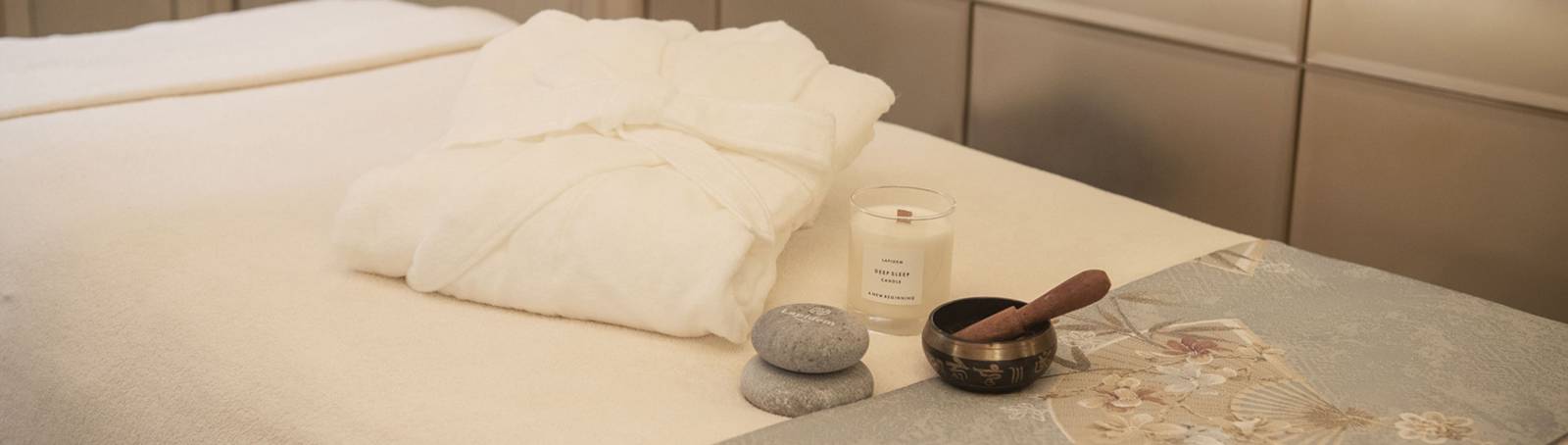
A home spa retreat must have a relaxing atmosphere. Start by organizing the space and establishing a tidy, peaceful atmosphere. To create the right atmosphere, think about adding things like relaxing colors, scented candles, and soft lighting. To improve the experience, include cozy seats, fluffy towels, and calming music.
Essential oils and aromatherapy
Aromatherapy can enhance your at-home spa experience and is important for relaxation. Invest in relaxing essential oils like chamomile, lavender, or eucalyptus, and use a diffuser to spread their aromas around the space. For a pleasant and healing touch, you may also add a few drops to your bathwater or make your own body scrubs and lotions.
Blissful Bathing
A lavish bath is one of the essential components of a home spa retreat. To improve the experience, fill your tub with warm water and add bubbles or bath salts. Use calming components to hydrate your skin and encourage relaxation, such as oatmeal, rose petals, or sea salts. While you soak away your problems, think about utilizing a bath tray to carry your favorite book, a glass of wine, or a cup of herbal tea.
Indulge Your Senses
Enjoy luxury treatments that will pamper your senses. Give yourself a foot bath, indulge in a facial mask, or exfoliate your skin with a soft scrub. Make an investment in high-quality skincare products and develop a routine that is tailored to your individual requirements. To encourage inner wellness, remember to hydrate your body with plenty of water or herbal tea.
Techniques for Relaxation and Mindful Meditation
A retreat at home that focuses on relaxation and mindfulness is a fantastic chance. Create a dedicated area for silent thinking to include meditation into your daily practice. To help you relax and promote inner serenity, use guided meditation applications or soothing music. To relieve stress and advance general wellbeing, practice mild yoga asanas or engage in deep breathing techniques.
Home-based therapies and massages
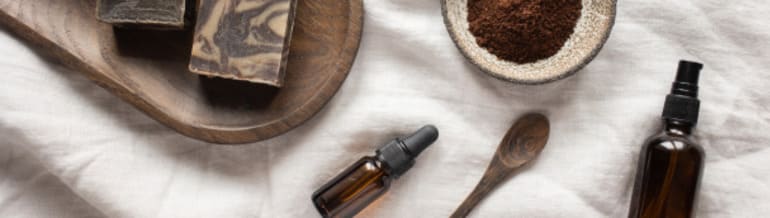
Try some DIY massages and treatments to improve your at-home spa experience. Use natural products that are readily available in your kitchen to make DIY body washes, face masks, or hair treatments. Learn how to massage your own body to relieve tension. Use techniques like kneading, soft pressure, or a foam roller to target stiff muscles.
Seven. Digital Detox
Disconnecting from technology is a key component of a home spa retreat. Make time aside to turn off your electronics and enjoy the peace and quiet of the spa. Use this time to read a book, practice journaling, or partake in a relaxing or creative activity. Adopting a digital detox can greatly improve your wellbeing overall and encourage a deeper sense of peace.
Establish a Routine
Establish a regular self-care practice to truly enjoy the advantages of a home spa getaway. Set aside a certain amount of time each week to spend at the spa. When it comes to relaxing and self-care, consistency is crucial. By establishing a routine, you'll form a habit that promotes your general wellbeing and enables you to constantly put self-care first.
Appreciation and Introspection
Spend some time being thankful and thinking back on your experience as your at-home spa retreat comes to an end. Recognize the benefits of self-care in your life and the time and work you've put into it. To assist you continue to feel good after your spa vacation, think about starting a thankfulness diary to record times of contemplation and gratitude.
Discuss Your Experience
Share the pleasure of your personal spa vacation with those you care about. Invite loved ones over for a relaxing spa day at home. Set up a treatment plan, provide homemade refreshments, and relax and take care of yourself in each other's company. Sharing the experience with those around you can not only strengthen your bonds but also spread the advantages of wellness and renewal.
Use natural components
Integrate elements of nature's calming power into your personal spa retreat. area potted plants or fresh flowers all over the area, open the windows to allow in some fresh air, and enjoy the soothing sounds of birds chirping or water flowing. Our senses are calmed by nature, which can heighten the overall feeling of peace and quiet.
Establish a no-technology area.
Along with a digital detox at the spa, think about designating a portion of your home as a technology-free zone. This area could be a separate room or your home's spa. By removing screens and other electronic gadgets from this space, you may create a distraction-free haven where you can truly relax and appreciate the present moment.
Water and food intake
The right nutrition and hydration are crucial components of self-care. Prioritize drinking lots of water to stay hydrated and maintain your body's general health along with your spa treatments. Additionally, feed your body with wholesome meals and snacks to support energy and vigor. For a well-rounded wellness experience, think about include fresh fruits, veggies, and herbal teas in your at-home spa routine.
Create a sound environment
Our attitude and degree of relaxation can be dramatically impacted by sound. Create a soundscape for your at-home spa getaway that encourages peace and tranquility. To create a more relaxing atmosphere, choose instrumental music, nature sounds like rain or waves crashing, or even meditation music. Try out various soundscapes to see which ones speak to you and induce a more profound state of relaxation.
Treat Your Feet, please
Giving your feet special attention when having a spa retreat at home is vital because they carry us throughout the day. Exfoliate and hydrate your feet with a healthy foot scrub and cream after soaking them in warm water containing Epsom salts and aromatic oils. To activate pressure points and relieve tension, think about using a foot massager or a reflexology mat. You'll be glad you took the time to treat your feet.
Lighting Can Create the Right Mood.
The right lighting is essential for producing a tranquil environment. Instead of using harsh, brilliant lighting, choose gentle, warm lighting. To create a warm and intimate atmosphere, use dimmers or candles. If at all feasible, let sunlight into your room by opening curtains or blinds during the day. Your home spa retreat can be turned into a peaceful haven with the help of the correct lighting.
Take Your Home Spa Experience Outside of Your Home
Beyond the time spent in your designated location, the advantages of your home spa retreat may last longer. Bring the benefits of rest and self-care into your daily life. Exercise frequent self-care, add brief moments of calm into your everyday tasks, and practice mindfulness. You can prolong the beneficial effects of your at-home spa retreat by incorporating these activities into your daily life.
Update your restrooms
Add opulent accents to your bathroom to make it feel like a spa. Invest in soft towels, fragrant candles, and decorative accents that encourage indulgence and relaxation. For a spa-like experience every time you step into the shower, think about updating your showerhead to a massaging or rainfall version. Your bathroom can be modernized to offer a relaxing space for regular self-care activities.
Consult a professional
While setting up a home spa retreat is a great approach to put relaxation and self-care first, it's vital to know when seeking expert assistance might be helpful. Consider consulting with a therapist or counselor if you are dealing with ongoing stress, anxiety, or other mental health issues. They can offer you expert support and assist you in creating coping mechanisms to deal with everyday difficulties and uphold your general wellbeing.
Value Diversity
Adopt variation in your self-care routine to keep your at-home spa resort fun and engaging. Try out various therapies, fragrances, and calming methods. Try out fresh handmade beauty product recipes or investigate various meditation techniques. Accepting variety will keep your spa experience interesting and enable you to identify what really speaks to you and improves your well-being.
At a glance: how to assess Making Your Own Home Spa Retreat: A Manual for Unwinding and Self-Care
| Lens | Why it matters | What to verify |
|---|---|---|
| Experience | Relaxation and personal preference are valid outcomes when described accurately. | Guest goal, comfort and informed consent |
| Evidence | Benefits vary by treatment, condition and study quality. | Claim, source, population and limitation |
| Safety | Screening and referral boundaries protect guests and practitioners. | Contraindications, hygiene and escalation |
| Aftercare | Clear guidance should be modest and individualised. | Hydration, skin response and when to seek care |
- 01EXPERIENCEClarify the question
- 02EVIDENCEReview the evidence
- 03SAFETYAssess the practice
- 04CHOICEReach a proportionate view
What the evidence adds
Spa experiences can support rest and enjoyment, but treatment claims need careful language. The US National Center for Complementary and Integrative Health summarises evidence and safety for massage and related approaches, while WHO places self-care within a wider health-system context. Consult NCCIH massage therapy evidence and safety and WHO self-care for health and well-being for the underlying definitions, evidence and limitations.
The central editorial test for Making Your Own Home Spa Retreat: A Manual for Unwinding and Self-Care is proportionality. Evidence should match the size of the claim, dates should be visible, and commercial relationships should be disclosed. This produces writing that remains useful after a trend cycle or award edition has passed and gives readers a clear route to verify what may have changed.
For guests and readers
For readers, the practical value of Making Your Own Home Spa Retreat: A Manual for Unwinding and Self-Care lies in making a complex choice easier to interrogate. A polished image, a famous name or a confident claim can begin the research process, but none should end it. The stronger editorial approach is to ask what was assessed, what can be verified now and which part of the experience matters to the individual guest.
For spa and wellness professionals
Translate the subject into observable standards: who owns the decision, which record demonstrates it, how often it is reviewed and how a guest can raise a concern. That discipline supports clearer editorial claims, stronger operations and a more credible relationship between recognition and the lived experience.
How to use this perspective
- Share relevant conditions and medicines before treatment.
- Ask about practitioner training and scope.
- Be cautious with cure, detox and immunity claims.
- Stop if a treatment causes pain or distress.
- Seek clinical advice for persistent or serious symptoms.
Editorial boundary: spa and wellness information supports informed choice but does not replace individual medical advice, local regulation or direct verification with the provider.
Related Spa Awards reading
Continue with Science-Based Therapeutic Spa Treatments and The Benefits of Visiting Award-Winning Spas for Your Health and Wellness. These perspectives add context without changing this article’s original URL or publication record.
Editorially reviewed and expanded on 16 July 2026. Time-sensitive offers, prices, personnel and operating details should be reconfirmed with the named provider.