As the wellness industry continues to evolve, the integration of technology into spa and wellness retreat experiences is becoming a defining trend. In 2025, technological advancements are reshaping how guests experience rejuvenation, relaxation, and holistic healing.
From cutting-edge spa equipment to digital wellness platforms, technology is not just enhancing treatments but also helping spas personalize services, streamline operations, and elevate the guest experience to new heights. Spa awards in 2025 are set to celebrate the innovative use of technology in wellness retreats, highlighting how these advancements are revolutionizing the industry.
The Rise of Virtual Wellness
Virtual wellness platforms are one of the most significant technological advancements making waves in the wellness sector. Spa retreats are now offering virtual wellness consultations, meditation sessions, and yoga classes, allowing guests to access services from the comfort of their homes or while traveling. This growing digital presence is expanding the influence of spas, enabling them to reach and support a global clientele.
Virtual reality (VR) is also emerging as a powerful tool in wellness, enabling guests to engage in immersive experiences like virtual spa treatments, guided meditation, and stress-relief exercises in a fully customized digital environment.
As the demand for remote wellness services continues to grow, spas are integrating VR and AR technology to provide more interactive and engaging wellness activities. These innovations are fueling growth by allowing spas to meet guests' needs while expanding their reach beyond traditional, on-site services.
Personalized Wellness through AI and Data Analytics
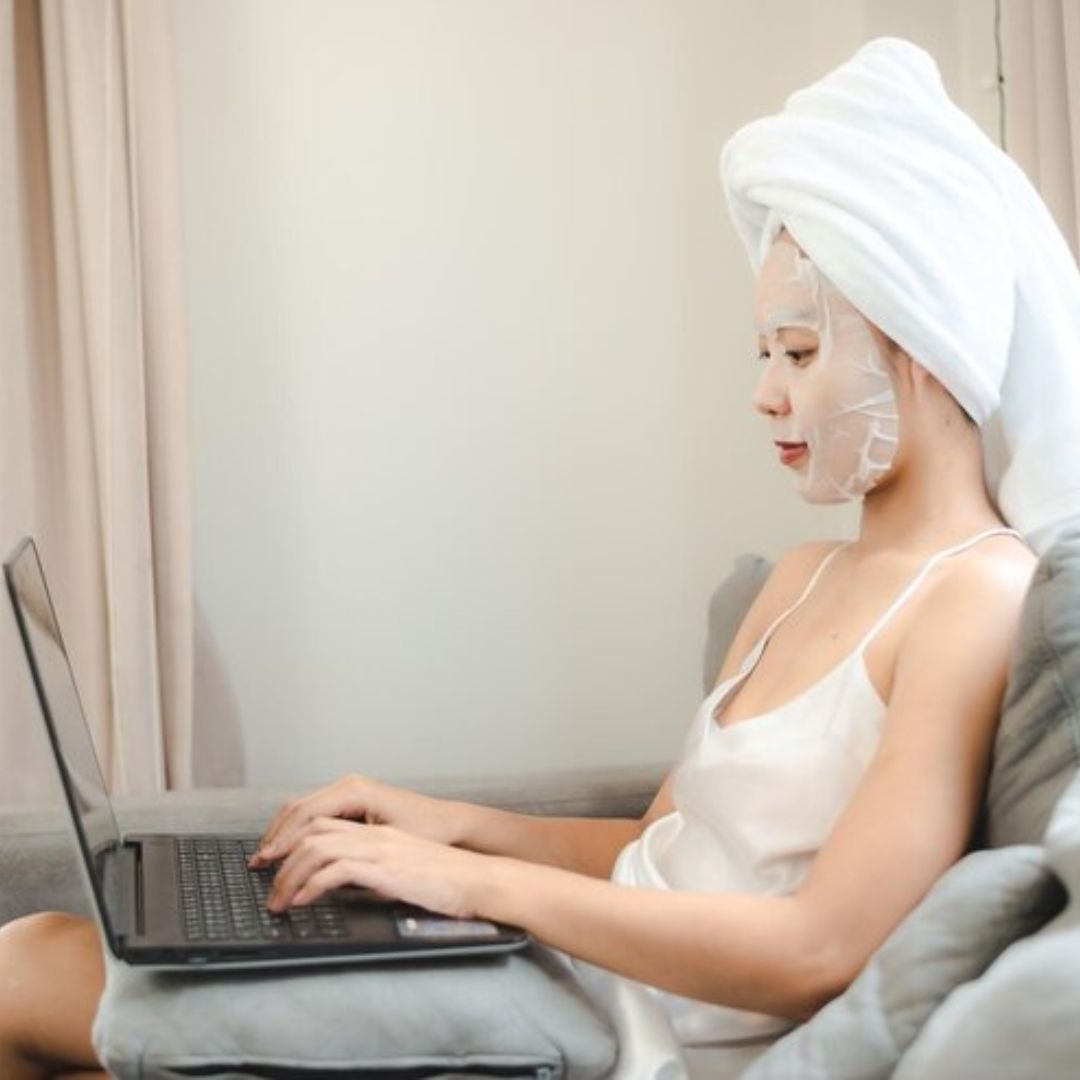
In 2025, artificial intelligence (AI) and data analytics are taking personalized wellness experiences to the next level. AI is being used to analyze guest data—such as sleep patterns, stress levels, and fitness goals—to recommend personalized treatments, therapies, and even dietary plans. With the help of data-driven insights, spas can tailor experiences to each guest’s unique needs, offering highly customized services that maximize well-being and relaxation.
Moreover, wearable wellness technology, such as fitness trackers and biometric sensors, allows spas to monitor guests’ health metrics in real-time, providing instant feedback and more effective treatments.
By leveraging AI and data analytics, spas are not only enhancing the quality of services but also improving guest satisfaction, which is crucial for earning recognition in prestigious spa awards.
Smart Equipment and Automated Spa Services
Spa treatments are becoming more sophisticated, thanks to the development of smart equipment and automated systems. From high-tech massage chairs to intelligent hydrotherapy pools, technology is enabling more efficient and effective treatments.
Automated booking systems and AI-powered customer service platforms are streamlining spa operations, allowing for a seamless experience from check-in to checkout. These advancements are reducing wait times, increasing treatment accuracy, and creating a more personalized experience for each guest.
For example, AI-driven massage chairs are now capable of adjusting their settings based on the individual’s body type, muscle tension, and personal preferences. Similarly, smart hydrotherapy systems can monitor water temperature and pressure in real-time, ensuring a perfectly tailored treatment. These innovations are making spa treatments more precise, efficient, and enjoyable, thus elevating the overall guest experience.
Sustainable Technology in Wellness Retreats
As sustainability continues to be a major focus in the wellness industry, technology is playing a pivotal role in reducing the environmental impact of spa operations. In 2025, many wellness retreats are incorporating green technologies, such as energy-efficient lighting, water-saving systems, and eco-friendly air purifiers, into their designs.
Smart systems that monitor energy usage, water consumption, and waste production are helping spas reduce their carbon footprint while maintaining a luxurious and comfortable atmosphere for guests.
In addition, some wellness retreats are adopting smart materials in their construction, such as solar panels, energy-efficient windows, and low-impact building materials, to create a more sustainable spa environment. These eco-friendly innovations are not only beneficial for the planet but also appeal to guests who prioritize sustainability in their wellness choices.
Digital Detox and Technology-Free Zones
While technology is enhancing many aspects of spa experiences, there is also a growing movement towards digital detoxing. Spas are now offering technology-free zones and programs designed to help guests disconnect from their devices and reconnect with themselves.
These retreats encourage mindfulness, relaxation, and the benefits of being present without the distractions of modern technology. For instance, some spas have implemented policies that encourage guests to leave their smartphones in lockers to fully embrace the healing environment.
This balance between embracing technology for wellness and offering spaces for unplugging is redefining how people approach their health and self-care, and it is being recognized as a key factor in awarding top wellness retreats.
Final Thoughts
The fusion of technology and wellness is reshaping the spa industry in 2025. From AI-powered personalized treatments to virtual wellness offerings and eco-friendly innovations, technology is driving new trends and creating more immersive, effective, and sustainable experiences.
As spas continue to integrate these advancements into their offerings, they are not only transforming the wellness journey for their guests but also setting new standards for the industry. As we look ahead, the role of technology in wellness will continue to grow, and those spas that embrace these innovations will be at the forefront of the wellness revolution.
At a glance: how to assess Spa Awards 2025: How Technology is Shaping the Future of Wellness Retreats
| Lens | Why it matters | What to verify |
|---|---|---|
| Signal | A credible trend appears across more than one campaign or launch. | Independent demand, adoption and repeat-use evidence |
| Guest value | Novelty should solve a clear guest problem or improve access. | Use case, inclusion, safety and service recovery |
| Operations | New concepts depend on training, maintenance and realistic throughput. | Skills, suppliers, downtime and cost to serve |
| Evidence | Health and sustainability claims require a higher threshold than aesthetic claims. | Source quality, limitations and review date |
What the evidence adds
A trend becomes strategically useful only when demand, delivery capability and evidence move together. Global Wellness Institute data helps distinguish structural market shifts from short-lived novelty, and ISPA research provides a spa-specific consumer and operator lens. Consult Global Wellness Institute data series and International Spa Association research library for the underlying definitions, evidence and limitations.
For readers, the practical value of Spa Awards 2025: How Technology is Shaping the Future of Wellness Retreats lies in making a complex choice easier to interrogate. A polished image, a famous name or a confident claim can begin the research process, but none should end it. The stronger editorial approach is to ask what was assessed, what can be verified now and which part of the experience matters to the individual guest.
For guests and readers
For operators, Spa Awards 2025: How Technology is Shaping the Future of Wellness Retreats is best treated as a management question rather than a campaign slogan. The guest promise must be visible in recruitment, consultation, hygiene, treatment delivery, accessibility, complaints and follow-up. When those systems are documented, recognition can communicate real work instead of covering gaps with prestige language.
For spa and wellness professionals
Translate the subject into observable standards: who owns the decision, which record demonstrates it, how often it is reviewed and how a guest can raise a concern. That discipline supports clearer editorial claims, stronger operations and a more credible relationship between recognition and the lived experience.
How to use this perspective
- Identify the guest problem before the technology.
- Separate a prototype from an operating result.
- Document training and maintenance requirements.
- Test accessibility and privacy implications.
- Set a review date before scaling the concept.
Editorial boundary: spa and wellness information supports informed choice but does not replace individual medical advice, local regulation or direct verification with the provider.
Related Spa Awards reading
Continue with Top Spa & Wellness Trends Shaping Award-Winning Spas in 2026 and The Role of Innovation in Award-Winning Spas: Beyond the Traditional Treatment. These perspectives add context without changing this article’s original URL or publication record.
Editorially reviewed and expanded on 16 July 2026. Time-sensitive offers, prices, personnel and operating details should be reconfirmed with the named provider.