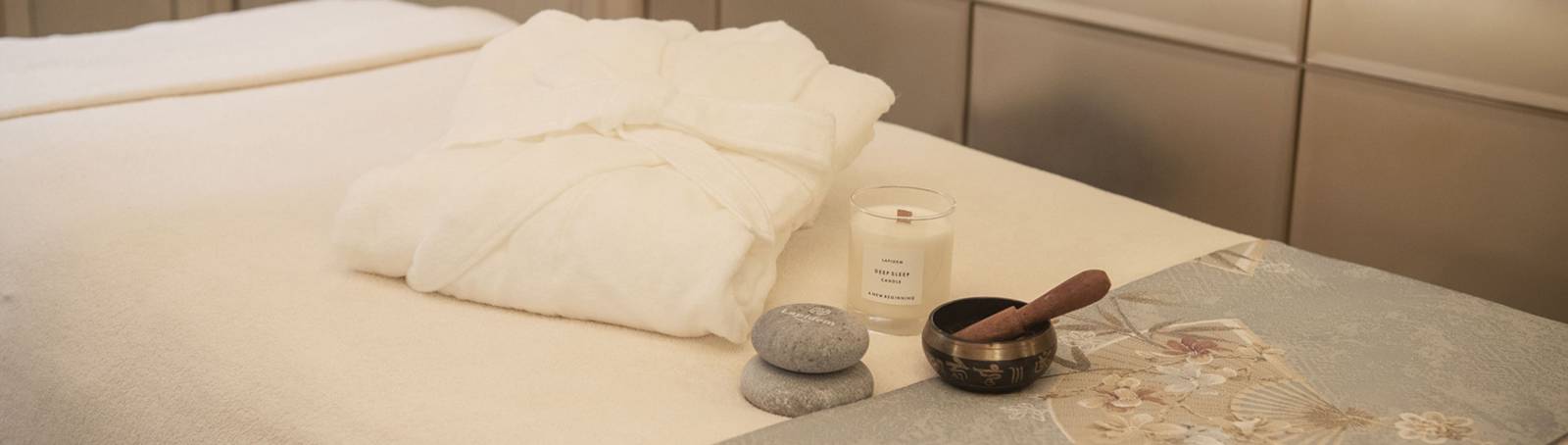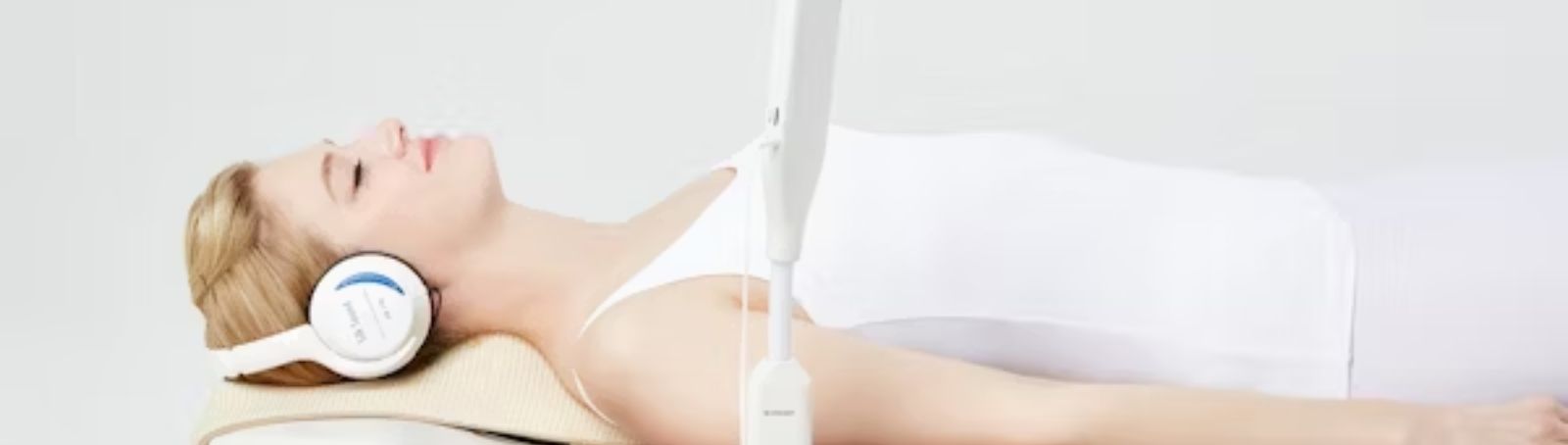
Sound, light and energy-based experiences occupy very different evidence categories. This review does not group them as proven therapies and does not describe chakras or an invisible energy field as established anatomy. It assesses the guest experience, safety, disclosure and the strength of evidence for each distinct practice.
Separate modalities before making claims
Music, guided relaxation, visible or infrared light devices and Reiki are not interchangeable. Each has different mechanisms, regulation, training and research. NCCIH states that Reiki has not been clearly shown effective for health-related purposes and that there is no scientific evidence for the proposed energy field.
Experience can be described without overclaiming
Guests may report calm, focus or enjoyment. Those subjective responses can be presented as experiences, not proof of cellular regeneration, emotional balance, improved sleep or treatment of a condition.
Safety and consent remain central
Operators should explain the modality, practitioner scope, device status, contraindications and option to stop. Clinical or persistent symptoms belong with an appropriately qualified health professional.
At a glance: how to assess How Sound, Light & Energy Healing Are Earning Spas New Recognition
| Lens | Why it matters | What to verify |
|---|---|---|
| Experience | Relaxation and personal preference are valid outcomes when described accurately. | Guest goal, comfort and informed consent |
| Evidence | Benefits vary by treatment, condition and study quality. | Claim, source, population and limitation |
| Safety | Screening and referral boundaries protect guests and practitioners. | Contraindications, hygiene and escalation |
| Aftercare | Clear guidance should be modest and individualised. | Hydration, skin response and when to seek care |
- 01EXPERIENCEClarify the question
- 02EVIDENCEReview the evidence
- 03SAFETYAssess the practice
- 04CHOICEReach a proportionate view
What the evidence adds
Spa experiences can support rest and enjoyment, but treatment claims need careful language. The US National Center for Complementary and Integrative Health summarises evidence and safety for massage and related approaches, while WHO places self-care within a wider health-system context. Consult NCCIH massage therapy evidence and safety and WHO self-care for health and well-being for the underlying definitions, evidence and limitations.
For readers, the practical value of How Sound, Light & Energy Healing Are Earning Spas New Recognition lies in making a complex choice easier to interrogate. A polished image, a famous name or a confident claim can begin the research process, but none should end it. The stronger editorial approach is to ask what was assessed, what can be verified now and which part of the experience matters to the individual guest.
For guests and readers
For operators, How Sound, Light & Energy Healing Are Earning Spas New Recognition is best treated as a management question rather than a campaign slogan. The guest promise must be visible in recruitment, consultation, hygiene, treatment delivery, accessibility, complaints and follow-up. When those systems are documented, recognition can communicate real work instead of covering gaps with prestige language.
For spa and wellness professionals
Translate the subject into observable standards: who owns the decision, which record demonstrates it, how often it is reviewed and how a guest can raise a concern. That discipline supports clearer editorial claims, stronger operations and a more credible relationship between recognition and the lived experience.
How to use this perspective
- Share relevant conditions and medicines before treatment.
- Ask about practitioner training and scope.
- Be cautious with cure, detox and immunity claims.
- Stop if a treatment causes pain or distress.
- Seek clinical advice for persistent or serious symptoms.
Editorial boundary: spa and wellness information supports informed choice but does not replace individual medical advice, local regulation or direct verification with the provider.
Related Spa Awards reading
Continue with Science-Based Therapeutic Spa Treatments and The Benefits of Visiting Award-Winning Spas for Your Health and Wellness. These perspectives add context without changing this article’s original URL or publication record.
Editorially reviewed and expanded on 16 July 2026. Time-sensitive offers, prices, personnel and operating details should be reconfirmed with the named provider.
One final test keeps How Sound, Light & Energy Healing Are Earning Spas New Recognition useful: return to the original source and ask whether the statement is still true, complete and proportionate. Record what was checked, when it was checked and what remains uncertain. That small discipline strengthens experience, evidence limits, practitioner competence, contraindications and informed choice while reducing the risk that polished editorial language outruns the evidence.
Editorial usefulness also depends on context. A reader should be able to tell whether a statement describes an award rule, an operator claim, an observed guest experience or an independently verified result. Labelling those layers clearly makes How Sound, Light & Energy Healing Are Earning Spas New Recognition easier to evaluate and prevents one type of evidence from being presented as another.
For operators, the practical next step is to maintain a small evidence register: source owner, publication date, review date, applicable market and correction contact. That record supports experience, evidence limits, practitioner competence, contraindications and informed choice, speeds future updates and gives editors a defensible basis for retaining, qualifying or removing a claim.