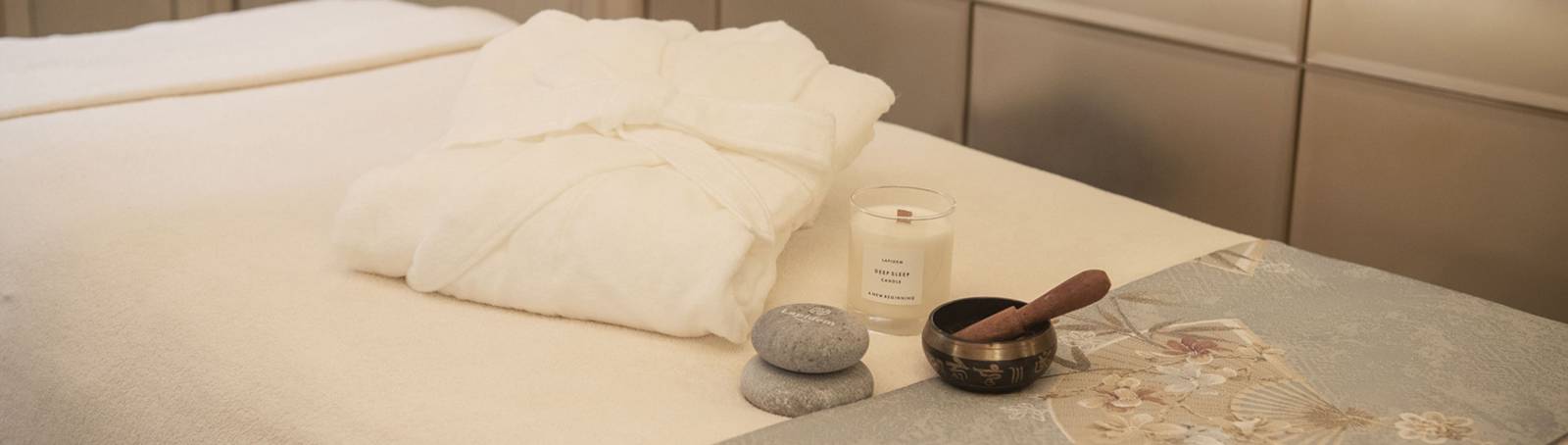
In 2025, the spa industry is experiencing a transformative shift—one that places mental wellness at the core of its services. No longer just about pampering and physical rejuvenation, spas are now evolving into holistic sanctuaries that nurture both body and mind. This change is driven by the global rise in mental health awareness, a growing demand for deeper, more meaningful self-care experiences, and a significant shift in customer expectations, which now prioritize emotional well-being alongside physical relaxation.
The Rise of Mind-Body Integration
Today’s spa-goers are seeking more than just facials and massages—they want emotional balance, inner peace, and stress relief. In response, spas are integrating mind-body wellness therapies such as meditation, breathwork, mindfulness practices, sound healing, and even spa rituals inspired by ancient wellness philosophies.
Many spa experiences now include guided breathing sessions before treatments, aromatherapy infused with calming essential oils, or post-treatment meditation to encourage deep relaxation. These services are designed not only to relax the muscles but to soothe the nervous system and calm the mind.

Mental Wellness Rooms and Therapies
One of the most exciting trends is the rise of dedicated mental wellness spaces in spas. These are serene environments where guests can disconnect from their devices and immerse themselves in peaceful solitude or guided mental health therapies. Some spas offer stress-relief pods, emotional detox sessions, light therapy, or journaling corners designed to encourage reflection and mindfulness.
Custom Wellness Journeys
2025 is also seeing the growth of personalized wellness journeys, tailored to the emotional and psychological needs of each guest. Through consultations or even AI-driven wellness assessments, spas can curate programs that include mood-boosting treatments, energy balancing therapies, or even sessions with certified wellness coaches. Whether someone is dealing with burnout, anxiety, or simply needs to unwind, the spa experience is increasingly becoming a therapeutic tool.
The Role of Technology in Mental Wellness
Technology is playing a pivotal role in supporting mental wellness within spa settings. Virtual reality meditation experiences, neurofeedback headsets, and immersive soundscapes are being used to induce deep relaxation and reduce anxiety. Many spas now also offer wellness apps that extend mindfulness practices beyond the treatment room, allowing clients to maintain their mental wellness routines at home.

Community and Connection
Another important trend is the rise of community-driven wellness experiences, such as group meditation, sound bath classes, or spa retreats that combine yoga, healthy food, and therapeutic workshops. These experiences foster connection and emotional support, which are essential components of mental well-being.
Final Thoughts
As we move deeper into 2025, the spa industry is becoming more aligned with the mental health movement, redefining wellness to include emotional healing, self-reflection, and inner peace. Spas are no longer seen as indulgent escapes—they’re evolving into holistic wellness destinations. Whether it’s through calming rituals, mindful therapies, or tech-enhanced relaxation, the future of spas is clear: mental wellness is no longer an add-on—it’s at the heart of the experience.
At a glance: how to assess How Mental Wellness Is Taking Center Stage in 2025’s Spa Trends
| Lens | Why it matters | What to verify |
|---|---|---|
| Experience | Relaxation and personal preference are valid outcomes when described accurately. | Guest goal, comfort and informed consent |
| Evidence | Benefits vary by treatment, condition and study quality. | Claim, source, population and limitation |
| Safety | Screening and referral boundaries protect guests and practitioners. | Contraindications, hygiene and escalation |
| Aftercare | Clear guidance should be modest and individualised. | Hydration, skin response and when to seek care |
What the evidence adds
Spa experiences can support rest and enjoyment, but treatment claims need careful language. The US National Center for Complementary and Integrative Health summarises evidence and safety for massage and related approaches, while WHO places self-care within a wider health-system context. Consult NCCIH massage therapy evidence and safety and WHO self-care for health and well-being for the underlying definitions, evidence and limitations.
For operators, How Mental Wellness Is Taking Center Stage in 2025’s Spa Trends is best treated as a management question rather than a campaign slogan. The guest promise must be visible in recruitment, consultation, hygiene, treatment delivery, accessibility, complaints and follow-up. When those systems are documented, recognition can communicate real work instead of covering gaps with prestige language.
For guests and readers
The central editorial test for How Mental Wellness Is Taking Center Stage in 2025’s Spa Trends is proportionality. Evidence should match the size of the claim, dates should be visible, and commercial relationships should be disclosed. This produces writing that remains useful after a trend cycle or award edition has passed and gives readers a clear route to verify what may have changed.
For spa and wellness professionals
Translate the subject into observable standards: who owns the decision, which record demonstrates it, how often it is reviewed and how a guest can raise a concern. That discipline supports clearer editorial claims, stronger operations and a more credible relationship between recognition and the lived experience.
How to use this perspective
- Share relevant conditions and medicines before treatment.
- Ask about practitioner training and scope.
- Be cautious with cure, detox and immunity claims.
- Stop if a treatment causes pain or distress.
- Seek clinical advice for persistent or serious symptoms.
Editorial boundary: spa and wellness information supports informed choice but does not replace individual medical advice, local regulation or direct verification with the provider.
Related Spa Awards reading
Continue with Science-Based Therapeutic Spa Treatments and The Benefits of Visiting Award-Winning Spas for Your Health and Wellness. These perspectives add context without changing this article’s original URL or publication record.
Editorially reviewed and expanded on 16 July 2026. Time-sensitive offers, prices, personnel and operating details should be reconfirmed with the named provider.