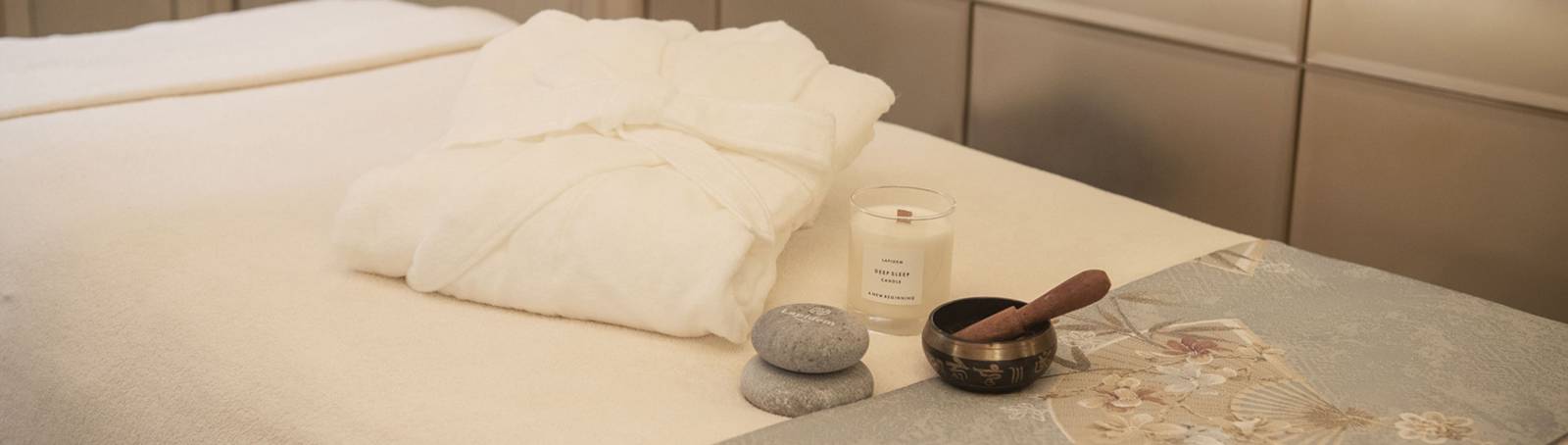
Spa treatments are more than just a means of relaxation—they are deeply rooted in the cultural heritage and healing traditions of different regions. Across the world, centuries-old wellness practices have influenced modern spa therapies, creating unique treatments that offer not only physical rejuvenation but also a connection to history and tradition. From Thai herbal compress therapy to Japanese onsen rituals, cultural heritage plays a significant role in shaping the most distinctive spa experiences.
1. The Role of Cultural Heritage in Spa Treatments
Many traditional healing practices originate from ancient civilizations where natural remedies, herbal medicine, and holistic therapies were developed to promote well-being. These traditions have been passed down through generations and are now integrated into spa treatments worldwide.
Key elements influenced by cultural heritage include:
- Herbal remedies – Many cultures incorporate indigenous herbs and botanicals with medicinal properties.
- Ritualistic healing – Some spa treatments are performed in a ceremonial manner to honor tradition.
- Spiritual balance – Many wellness practices, such as Ayurveda and traditional Chinese medicine (TCM), focus on balancing the body, mind, and spirit.
2. Unique Spa Treatments Shaped by Cultural Traditions
A. Thai Herbal Compress Massage (Thailand)
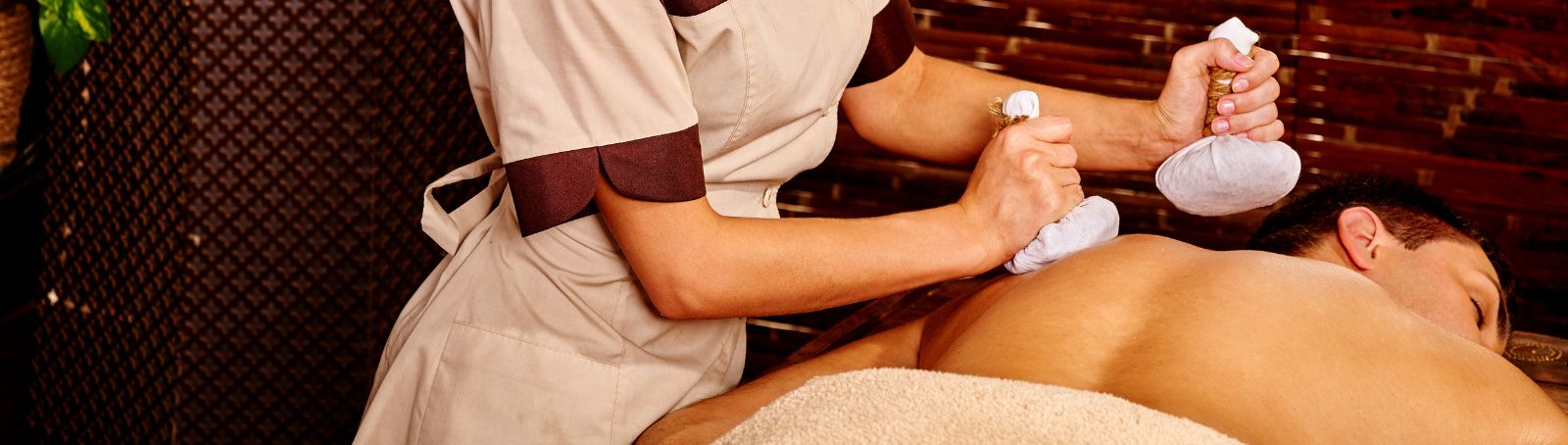
Originating from Thailand’s ancient healing traditions, the Thai herbal compress massage (Luk Pra Kob) combines acupressure with warm compresses filled with medicinal herbs such as lemongrass, turmeric, and kaffir lime. This therapy is known for its ability to relieve muscle tension, improve circulation, and promote relaxation.
B. Ayurvedic Shirodhara (India)
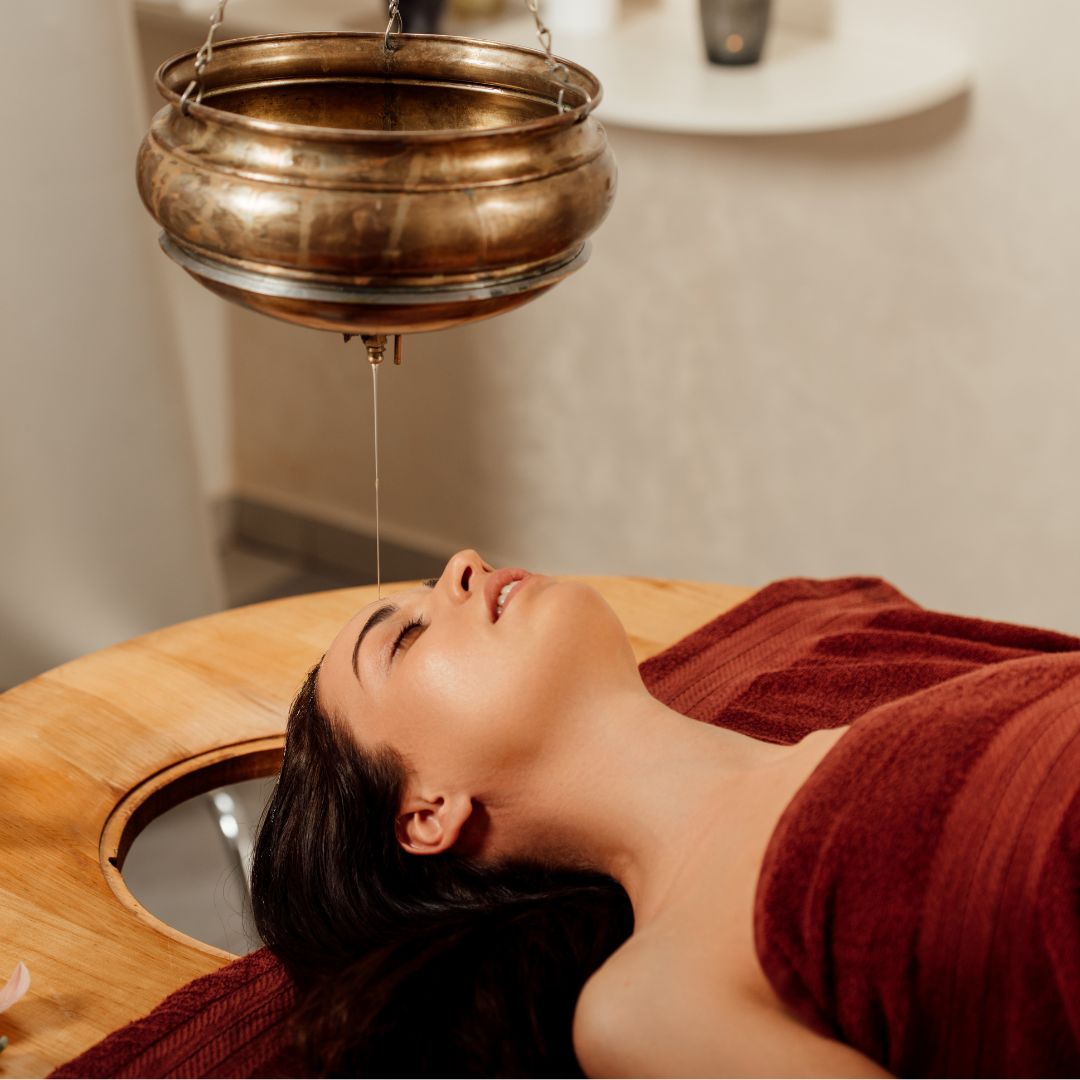
A sacred treatment in Ayurveda, Shirodhara involves gently pouring warm herbal oil over the forehead (third eye) in a continuous stream. This therapy helps to reduce stress, improve mental clarity, and enhance emotional balance, reflecting India’s deep-rooted connection between wellness and spirituality.
C. Japanese Onsen & Sento Rituals (Japan)
In Japan, onsen (hot springs) and sento (public baths) have been used for centuries as a form of relaxation and healing. Rich in minerals, these natural hot spring baths help to detoxify the body, reduce muscle pain, and improve circulation. The ritual of bathing is deeply embedded in Japanese culture, symbolizing purification and renewal.
D. Hammam (Turkish & Moroccan Bath Rituals)
The hammam, or Turkish/Moroccan bath, is a centuries-old cleansing ritual where guests undergo an exfoliating scrub, steam bath, and foamy massage. This treatment helps to detoxify the skin, boost circulation, and promote deep relaxation while honoring Middle Eastern wellness traditions.
E. Native American Hot Stone Therapy (North America)
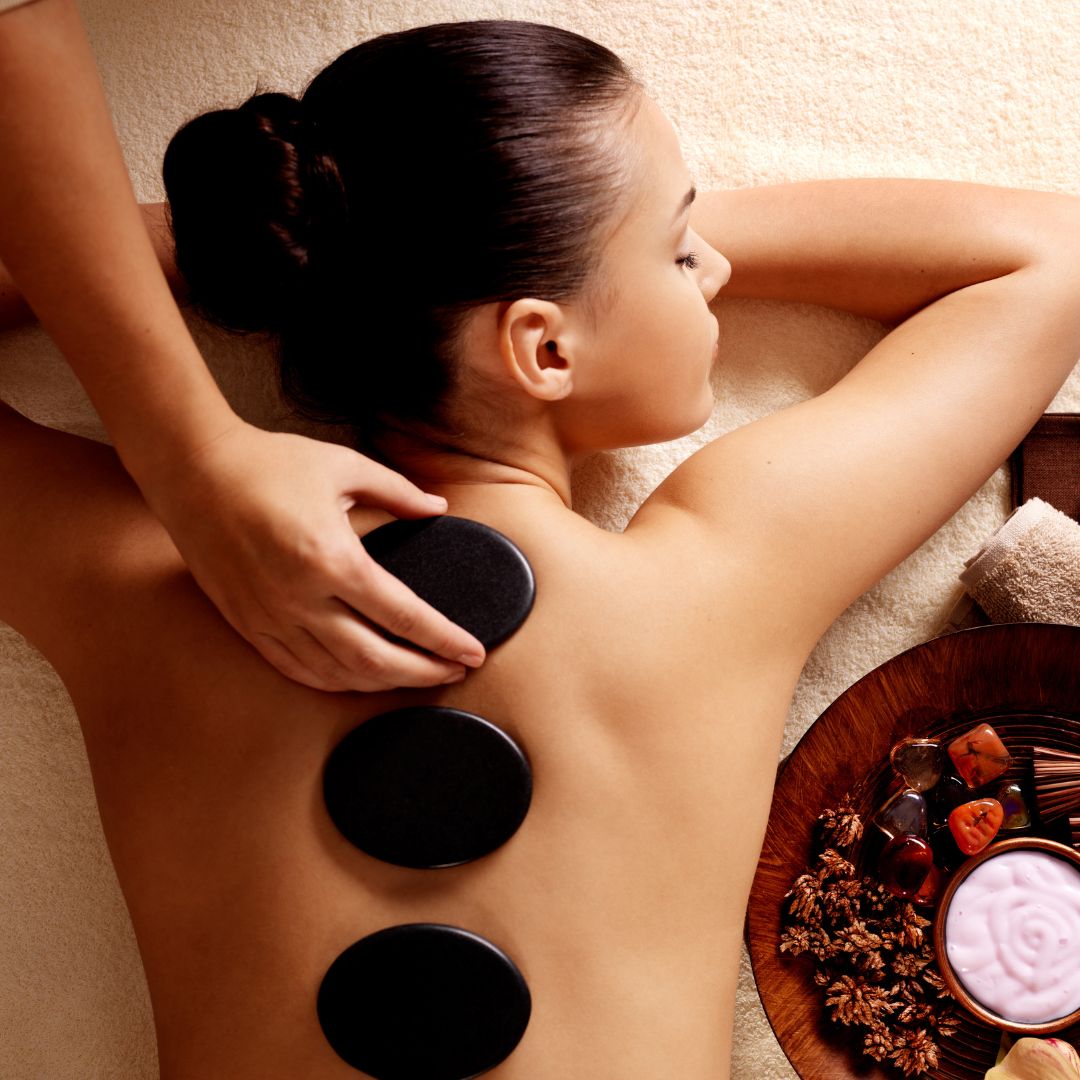
Inspired by Native American healing traditions, hot stone massage uses heated volcanic stones placed along the body’s energy points to relieve muscle stiffness, reduce stress, and restore balance. This practice is rooted in the belief that nature provides healing energy.
3. The Modern Revival of Traditional Spa Treatments
Today, luxury spas worldwide incorporate these culturally inspired treatments while maintaining their authenticity. Many modern wellness centers:
- Use locally sourced herbs and natural ingredients
- Incorporate ancient techniques with modern spa innovations
- Offer customized rituals based on cultural healing traditions
Conclusion
Cultural heritage has played a profound role in shaping the world’s most unique and effective spa treatments. Whether it’s the deeply meditative Shirodhara from India, the detoxifying Turkish hammam, or the soothing Thai herbal compress massage, these traditions continue to influence wellness practices globally. By embracing these age-old therapies, spa-goers not only experience relaxation but also connect with the history, culture, and wisdom of ancient civilizations.
At a glance: how to assess How Cultural Heritage Influences the Most Unique Spa Treatments
| Lens | Why it matters | What to verify |
|---|---|---|
| Authenticity | Feedback should reflect genuine experience. | Collection method and manipulation controls |
| Disclosure | Material relationships must be clear where the audience sees the claim. | Payment, gifts, employment and affiliation |
| Relevance | Old reviews may describe a different offer or operator. | Visit date, treatment and current status |
| Response | A thoughtful response process reveals more than a perfect score. | Escalation, remedy and recurring themes |
What the evidence adds
Reviews and endorsements can help guests navigate choice only when the signal is authentic. The FTC guidance addresses material connections and review manipulation, while ISO 17679 provides a service-quality reference that is independent of popularity. Consult FTC guidance on endorsements and reviews and ISO 17679 wellness spa service requirements for the underlying definitions, evidence and limitations.
For readers, the practical value of How Cultural Heritage Influences the Most Unique Spa Treatments lies in making a complex choice easier to interrogate. A polished image, a famous name or a confident claim can begin the research process, but none should end it. The stronger editorial approach is to ask what was assessed, what can be verified now and which part of the experience matters to the individual guest.
For guests and readers
For operators, How Cultural Heritage Influences the Most Unique Spa Treatments is best treated as a management question rather than a campaign slogan. The guest promise must be visible in recruitment, consultation, hygiene, treatment delivery, accessibility, complaints and follow-up. When those systems are documented, recognition can communicate real work instead of covering gaps with prestige language.
For spa and wellness professionals
Translate the subject into observable standards: who owns the decision, which record demonstrates it, how often it is reviewed and how a guest can raise a concern. That discipline supports clearer editorial claims, stronger operations and a more credible relationship between recognition and the lived experience.
How to use this perspective
- Read recent positive and critical reviews.
- Look for clear disclosure of incentives.
- Do not infer clinical quality from popularity.
- Compare feedback with published service evidence.
- Treat celebrity attention as marketing, not assessment.
Editorial boundary: spa and wellness information supports informed choice but does not replace individual medical advice, local regulation or direct verification with the provider.
Related Spa Awards reading
Continue with Science-Based Therapeutic Spa Treatments and The Benefits of Visiting Award-Winning Spas for Your Health and Wellness. These perspectives add context without changing this article’s original URL or publication record.
Editorially reviewed and expanded on 16 July 2026. Time-sensitive offers, prices, personnel and operating details should be reconfirmed with the named provider.