The global spa and wellness industry is deeply influenced by cultural traditions, and in 2025, regional spa treatments continue to evolve while preserving their heritage. From ancient healing rituals to modern wellness innovations, the Spa Awards 2025 recognize the most outstanding regional trends that are redefining luxury and holistic wellness. This year’s winners highlight how cultural influences shape signature treatments, natural ingredients, and therapeutic techniques worldwide.
1. Asia: Traditional Healing Meets Modern Science
Asia remains a leader in the wellness industry, blending centuries-old healing practices with modern innovations. Some of the key regional trends seen in the 2025 awards include:
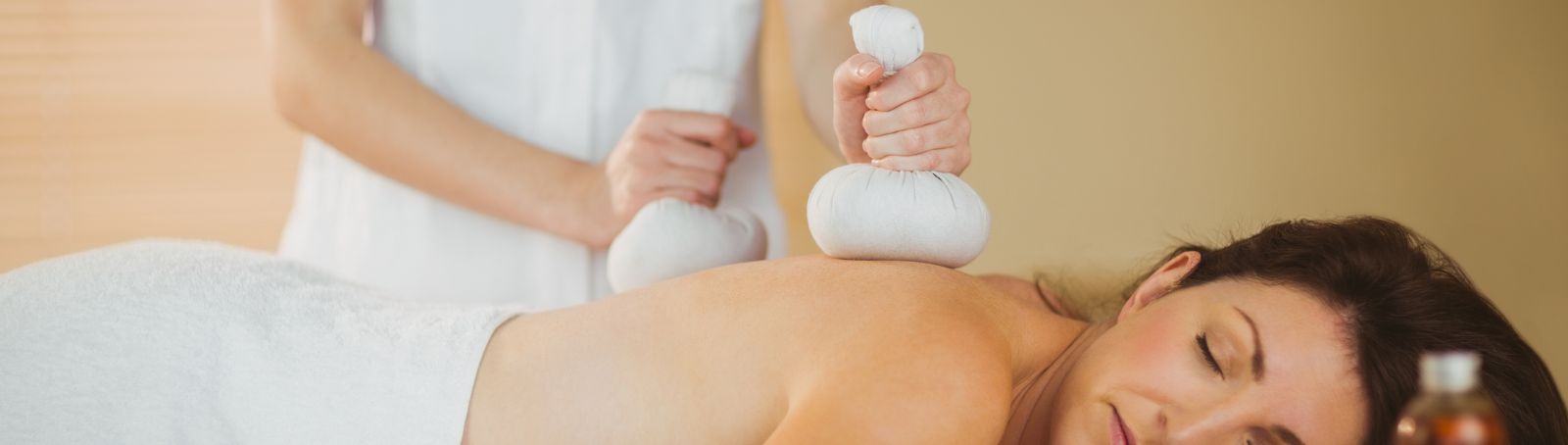
Thai Herbal Compress Therapy – This traditional Thai treatment, featuring heated herbal poultices, is widely recognized for its ability to relieve muscle tension and improve circulation. The use of locally sourced herbs enhances its therapeutic benefits.
Japanese Forest Bathing (Shinrin-Yoku) Inspired Treatments – Incorporating elements of nature, Japanese spas offer aromatherapy, meditation, and hydrotherapy designed to mimic the calming effects of forest immersion.
Korean Hanbang Skincare Therapy – Rooted in ancient Korean medicine, Hanbang treatments utilize herbs, ginseng, and fermented ingredients to promote skin renewal and overall wellness.
2. Europe: The Rise of Thermal and Holistic Wellness
European spa culture has long embraced thermal water therapies and holistic well-being. Some of the standout trends include:
Nordic Hydrotherapy & Cold Immersion – Inspired by Scandinavian traditions, alternating between hot saunas and ice baths is gaining global recognition for its ability to boost circulation, reduce inflammation, and enhance mental clarity.
Mediterranean Olive Oil Rituals – Using organic olive oil and sea salt, these treatments focus on deep hydration, anti-aging, and skin detoxification, particularly popular in Greece and Italy.
Alpine Herbal Healing – Swiss and Austrian spas are incorporating mountain herbs, essential oils, and salt scrubs to enhance relaxation and respiratory health.
3. Middle East & Africa: Ancient Wellness Rituals Revived
These regions are known for their rich spa heritage, with award-winning treatments that reflect time-honored beauty and healing traditions:
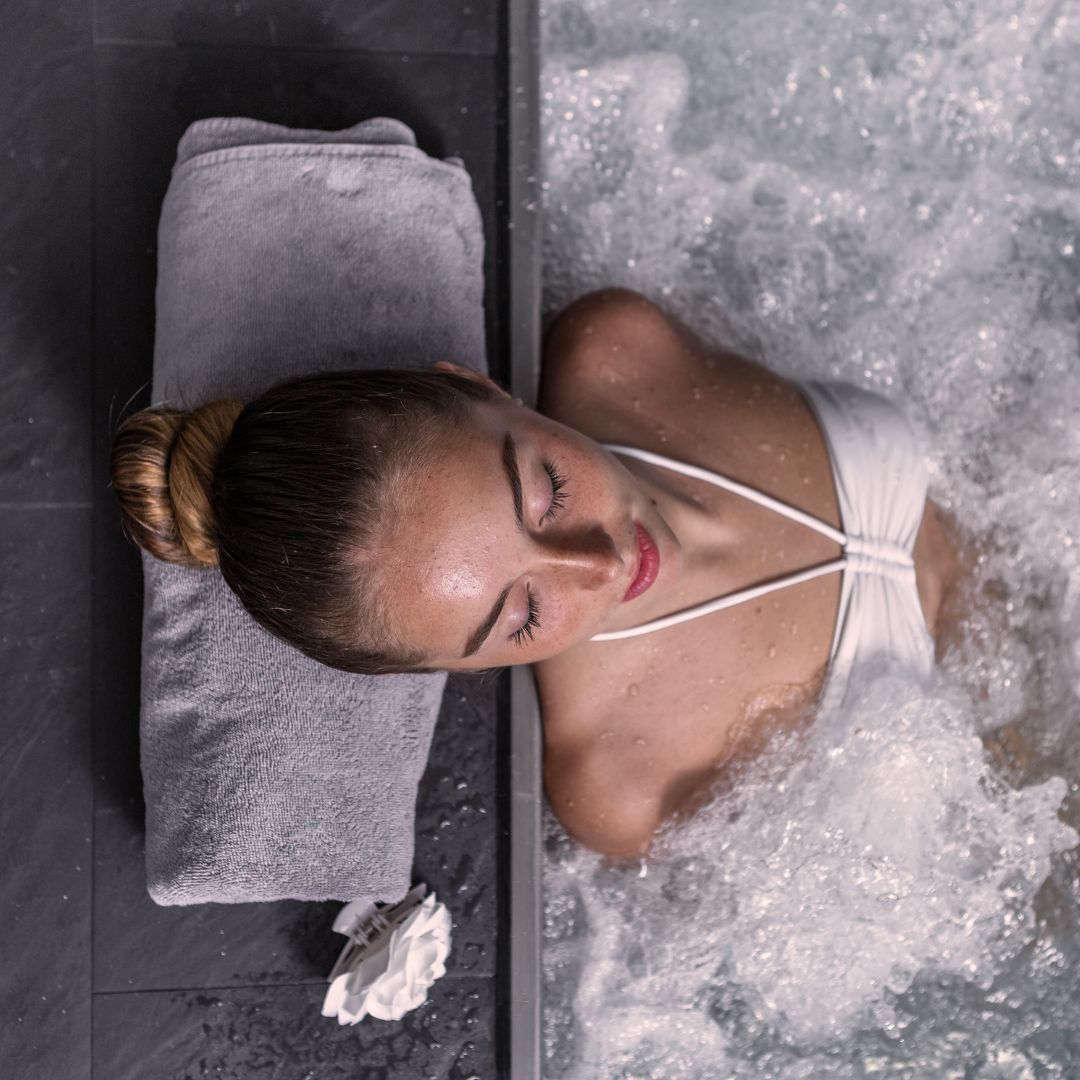
Hammam Rituals – Middle Eastern luxury spas continue to refine Turkish and Moroccan hammams, offering black soap scrubs, steam baths, and argan oil massages for deep cleansing and detoxification.
Egyptian Inspired Skincare – Using ingredients like honey, milk, and red clay, these treatments revive the beauty rituals of ancient Egyptian queens.
African Shea Butter & Baobab Treatments – Wellness centers are incorporating shea butter, marula oil, and baobab extracts for ultra-nourishing skincare therapies.
4. The Americas: Indigenous and Holistic Healing
North and South America showcase a blend of indigenous wellness practices and modern holistic healing:
Amazonian Botanical Therapies – Using powerful Amazonian plants like acai, guarana, and copaiba, these treatments promote detoxification and deep relaxation.
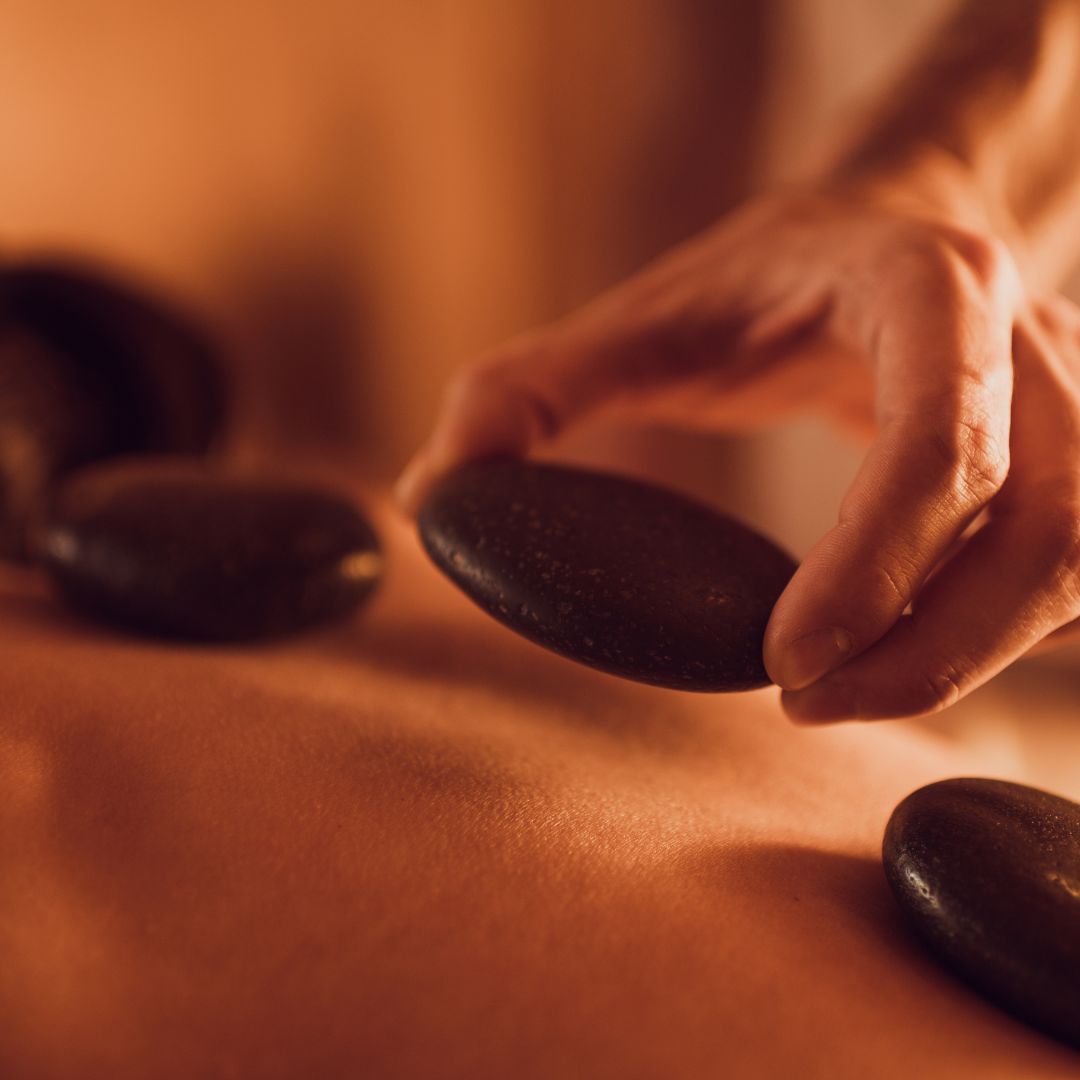
Native American Hot Stone Therapy – Inspired by indigenous healing, hot stone massages using volcanic rocks help to release deep-seated tension and restore energy flow.
Mexican Temazcal Ceremonies – This ancient sweat lodge ritual focuses on spiritual and physical purification, gaining recognition in luxury spa resorts.
5. The Future of Cultural Spa Trends
The Spa Awards 2025 highlight how cultural traditions continue to influence modern wellness experiences. As the demand for authentic, sustainable, and holistic spa treatments grows, regional therapies will remain at the heart of the spa industry’s evolution.
By blending heritage, nature, and innovation, award-winning spas worldwide are shaping the future of luxury wellness experiences while preserving the essence of cultural healing practices.
At a glance: how to assess Cultural Influence in Spa Treatments: Regional Trends in the 2025 Awards
| Lens | Why it matters | What to verify |
|---|---|---|
| Authenticity | Feedback should reflect genuine experience. | Collection method and manipulation controls |
| Disclosure | Material relationships must be clear where the audience sees the claim. | Payment, gifts, employment and affiliation |
| Relevance | Old reviews may describe a different offer or operator. | Visit date, treatment and current status |
| Response | A thoughtful response process reveals more than a perfect score. | Escalation, remedy and recurring themes |
What the evidence adds
Reviews and endorsements can help guests navigate choice only when the signal is authentic. The FTC guidance addresses material connections and review manipulation, while ISO 17679 provides a service-quality reference that is independent of popularity. Consult FTC guidance on endorsements and reviews and ISO 17679 wellness spa service requirements for the underlying definitions, evidence and limitations.
For operators, Cultural Influence in Spa Treatments: Regional Trends in the 2025 Awards is best treated as a management question rather than a campaign slogan. The guest promise must be visible in recruitment, consultation, hygiene, treatment delivery, accessibility, complaints and follow-up. When those systems are documented, recognition can communicate real work instead of covering gaps with prestige language.
For guests and readers
The central editorial test for Cultural Influence in Spa Treatments: Regional Trends in the 2025 Awards is proportionality. Evidence should match the size of the claim, dates should be visible, and commercial relationships should be disclosed. This produces writing that remains useful after a trend cycle or award edition has passed and gives readers a clear route to verify what may have changed.
For spa and wellness professionals
Translate the subject into observable standards: who owns the decision, which record demonstrates it, how often it is reviewed and how a guest can raise a concern. That discipline supports clearer editorial claims, stronger operations and a more credible relationship between recognition and the lived experience.
How to use this perspective
- Read recent positive and critical reviews.
- Look for clear disclosure of incentives.
- Do not infer clinical quality from popularity.
- Compare feedback with published service evidence.
- Treat celebrity attention as marketing, not assessment.
Editorial boundary: spa and wellness information supports informed choice but does not replace individual medical advice, local regulation or direct verification with the provider.
Related Spa Awards reading
Continue with Science-Based Therapeutic Spa Treatments and The Benefits of Visiting Award-Winning Spas for Your Health and Wellness. These perspectives add context without changing this article’s original URL or publication record.
Editorially reviewed and expanded on 16 July 2026. Time-sensitive offers, prices, personnel and operating details should be reconfirmed with the named provider.