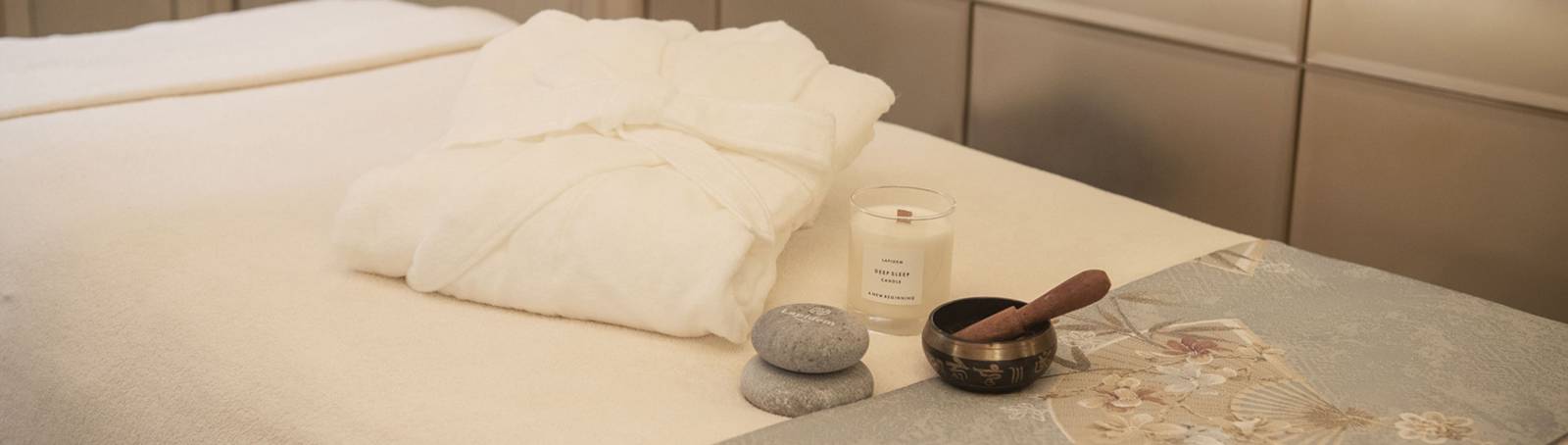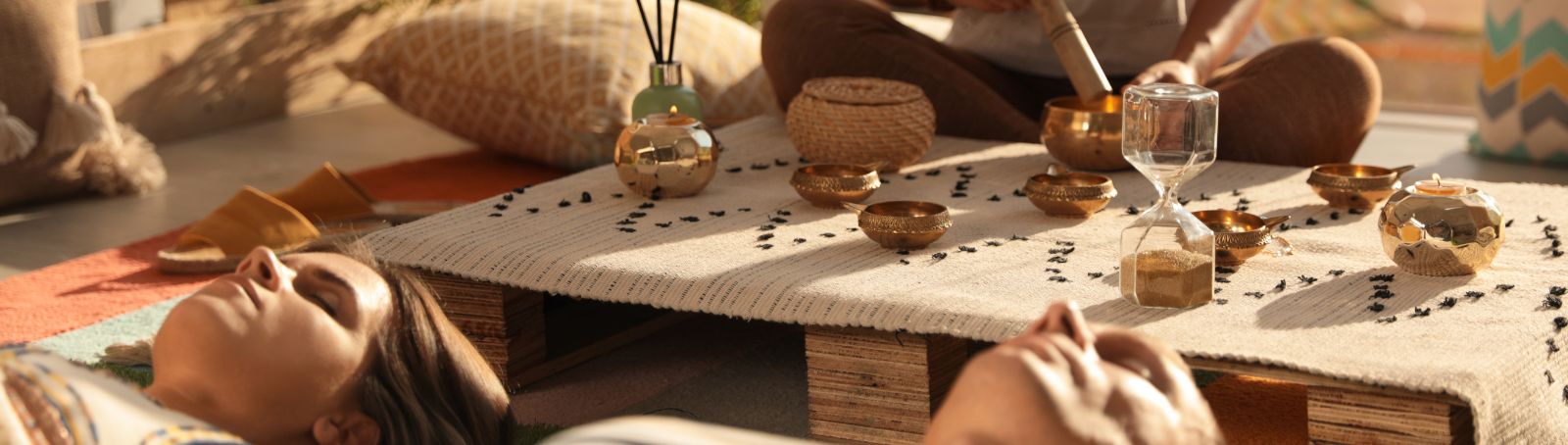
As the wellness industry evolves, holistic healing and mindfulness have become the core focus of the 2025 Wellness Awards. With growing awareness of the connection between mental, emotional, and physical well-being, spas, wellness centers, and retreats worldwide are integrating innovative healing practices. From energy balancing techniques to advanced meditation therapies, let’s explore the wellness trends that are redefining luxury self-care this year.
1. Energy Healing & Vibrational Therapy
Why It’s Trending
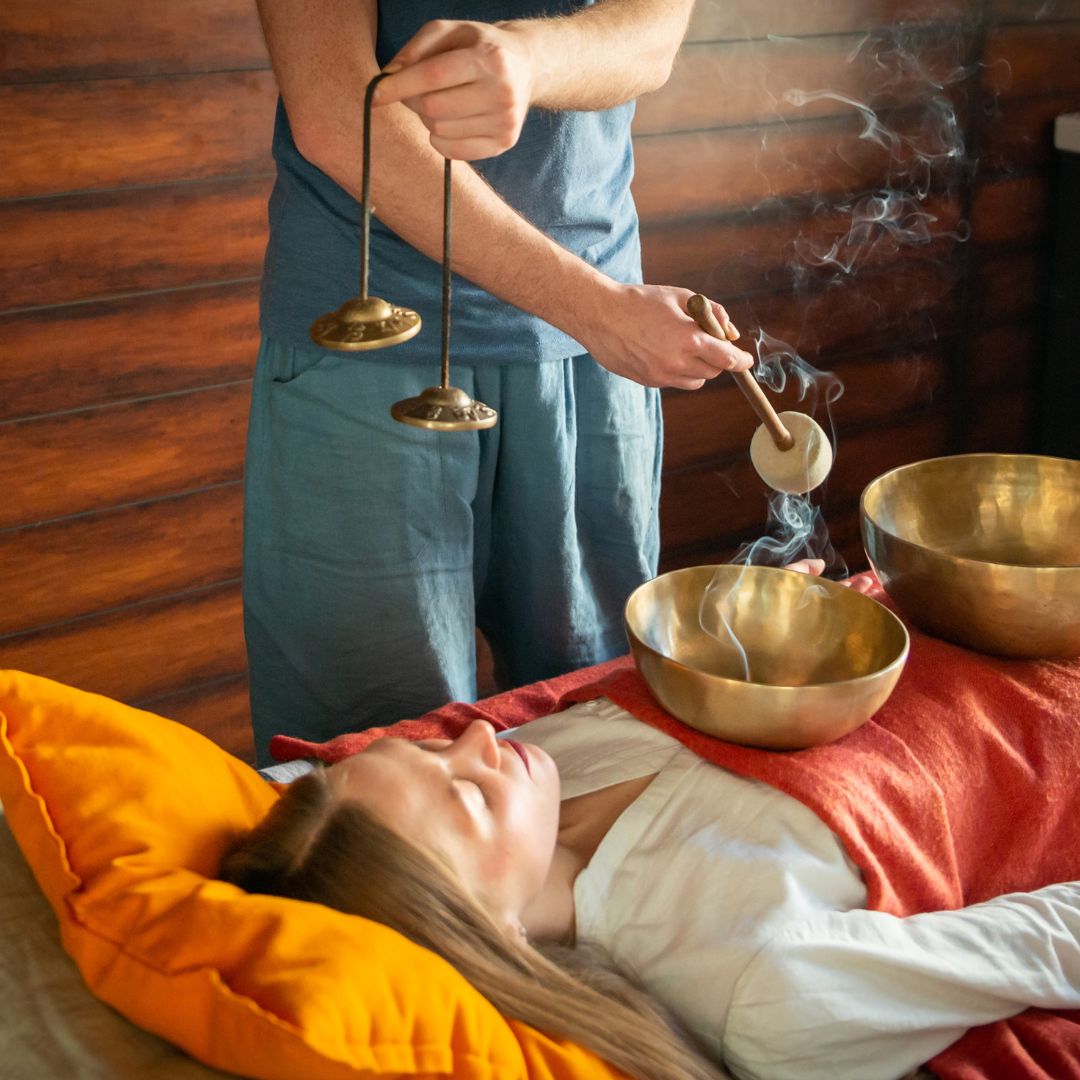
Energy healing has gained significant recognition, with treatments like Reiki, sound therapy, and crystal healing becoming mainstream in high-end wellness centers. These therapies aim to clear energy blockages, restore balance, and promote deep relaxation.
Notable 2025 Award Nominees
- Sound Bath Immersion: Using Tibetan singing bowls and gongs for meditative healing
- Crystal Chakra Balancing: Harnessing the power of semi-precious stones to align the body’s energy fields
Key Benefits
Reduces stress and anxiety
Enhances emotional clarity and inner peace
Boosts energy levels and improves sleep
2. Mindfulness-Based Stress Reduction (MBSR)
Why It’s Trending
In today’s fast-paced world, stress management is a top priority. Mindfulness-Based Stress Reduction (MBSR), a structured program combining meditation, breathwork, and body awareness, is gaining recognition in the wellness space.
Notable 2025 Award Nominees
- Corporate Wellness Retreats: Helping professionals manage stress through guided mindfulness
- Mindful Movement Therapies: Integrating Tai Chi, Qigong, and Yin Yoga for deep relaxation
Key Benefits
Lowers cortisol levels and reduces anxiety
Enhances focus, productivity, and emotional resilience
Improves sleep and overall well-being
3. Biohacking for Holistic Wellness
Why It’s Trending
Biohacking combines science and wellness to optimize health. This trend incorporates infrared therapy, breathwork, and nootropic supplements to enhance mental clarity, recovery, and longevity.
Notable 2025 Award Nominees
- Infrared Sauna Detox: Using heat therapy to promote circulation and cellular renewal
- Guided Breathwork & Cold Therapy: Inspired by Wim Hof techniques for energy boosting and immune support
Key Benefits
Enhances cognitive function and focus
Supports detoxification and cellular repair
Strengthens immune response and increases resilience
4. Holistic Skincare & Organic Beauty
Why It’s Trending
Consumers are shifting towards natural, non-toxic skincare with a focus on herbal remedies and Ayurvedic beauty rituals. CBD facials, probiotic skincare, and gua sha therapy are leading this transformation.
Notable 2025 Award Nominees
- Plant-Based Facial Therapy: Using adaptogenic herbs and superfoods for glowing skin
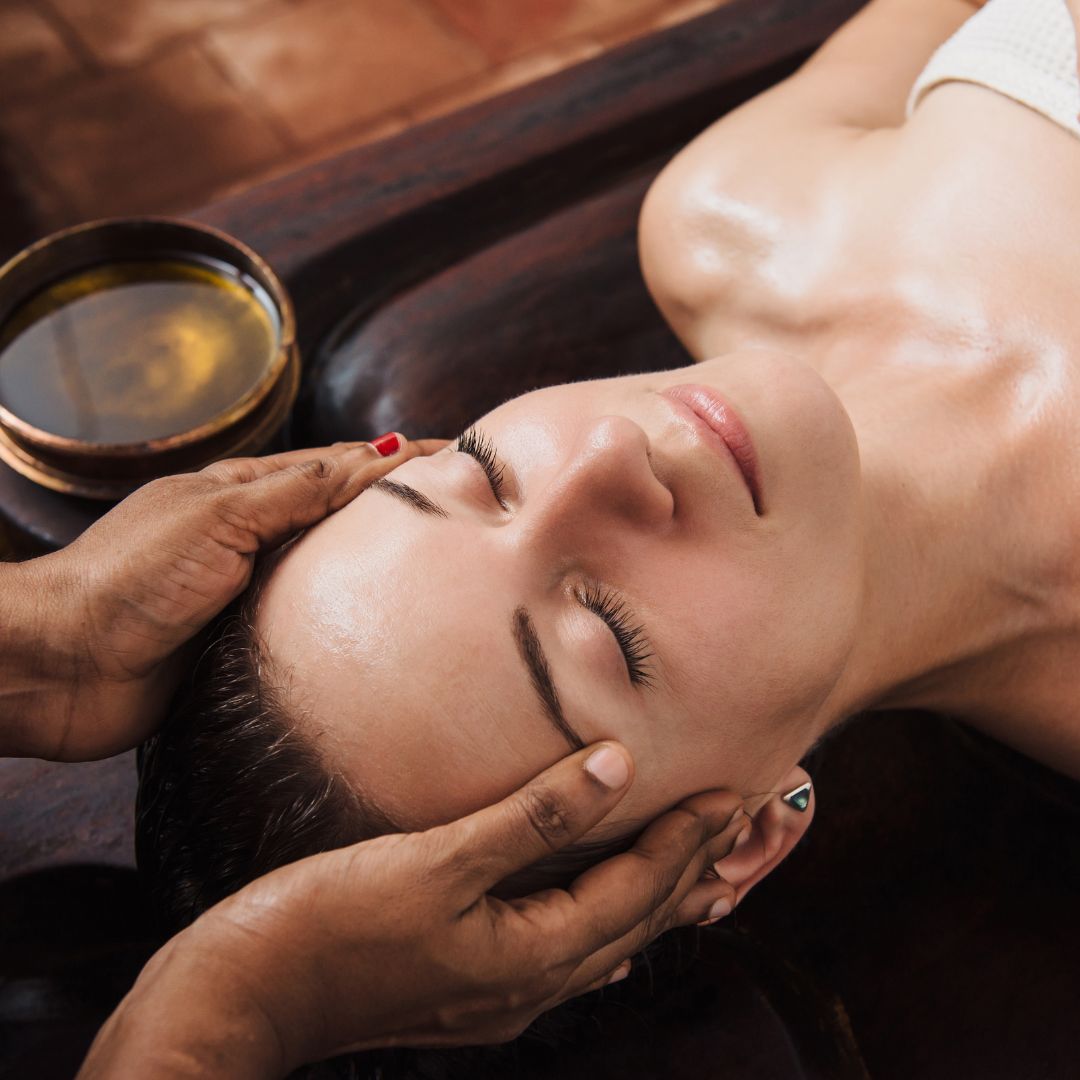
- Ayurvedic Marma Face Massage: Activating energy points for lymphatic drainage
Key Benefits
Promotes anti-aging naturally
Nourishes skin with botanical ingredients
Supports lymphatic drainage and circulation
5. Personalized Wellness Programs
Why It’s Trending
Custom-tailored wellness experiences are on the rise, with spas offering DNA-based nutrition plans, personalized meditation, and AI-driven health tracking.
Notable 2025 Award Nominees
- Bespoke Spa Treatments: Customizable massages and therapies based on individual stress levels
- DNA-Guided Nutrition & Wellness: Analyzing genetic markers for optimized health recommendations
Key Benefits
Offers highly personalized self-care solutions
Enhances longevity and overall wellness
Provides precise health insights for optimal results
Conclusion
The 2025 Wellness Awards celebrate the evolution of holistic healing and mindfulness, recognizing wellness practices that go beyond relaxation to create transformative, long-lasting well-being. From energy balancing and stress management to biohacking and personalized wellness, this year’s trends redefine the future of self-care.
At a glance: how to assess Holistic Healing and Mindfulness: The Wellness Trends Defining the 2025…
| Lens | Why it matters | What to verify |
|---|---|---|
| Experience | Relaxation and personal preference are valid outcomes when described accurately. | Guest goal, comfort and informed consent |
| Evidence | Benefits vary by treatment, condition and study quality. | Claim, source, population and limitation |
| Safety | Screening and referral boundaries protect guests and practitioners. | Contraindications, hygiene and escalation |
| Aftercare | Clear guidance should be modest and individualised. | Hydration, skin response and when to seek care |
What the evidence adds
Spa experiences can support rest and enjoyment, but treatment claims need careful language. The US National Center for Complementary and Integrative Health summarises evidence and safety for massage and related approaches, while WHO places self-care within a wider health-system context. Consult NCCIH massage therapy evidence and safety and WHO self-care for health and well-being for the underlying definitions, evidence and limitations.
The central editorial test for Holistic Healing and Mindfulness: The Wellness Trends Defining the 2025… is proportionality. Evidence should match the size of the claim, dates should be visible, and commercial relationships should be disclosed. This produces writing that remains useful after a trend cycle or award edition has passed and gives readers a clear route to verify what may have changed.
For guests and readers
For readers, the practical value of Holistic Healing and Mindfulness: The Wellness Trends Defining the 2025… lies in making a complex choice easier to interrogate. A polished image, a famous name or a confident claim can begin the research process, but none should end it. The stronger editorial approach is to ask what was assessed, what can be verified now and which part of the experience matters to the individual guest.
For spa and wellness professionals
Translate the subject into observable standards: who owns the decision, which record demonstrates it, how often it is reviewed and how a guest can raise a concern. That discipline supports clearer editorial claims, stronger operations and a more credible relationship between recognition and the lived experience.
How to use this perspective
- Share relevant conditions and medicines before treatment.
- Ask about practitioner training and scope.
- Be cautious with cure, detox and immunity claims.
- Stop if a treatment causes pain or distress.
- Seek clinical advice for persistent or serious symptoms.
Editorial boundary: spa and wellness information supports informed choice but does not replace individual medical advice, local regulation or direct verification with the provider.
Related Spa Awards reading
Continue with Science-Based Therapeutic Spa Treatments and The Benefits of Visiting Award-Winning Spas for Your Health and Wellness. These perspectives add context without changing this article’s original URL or publication record.
Editorially reviewed and expanded on 16 July 2026. Time-sensitive offers, prices, personnel and operating details should be reconfirmed with the named provider.