The world of wellness and spa treatments is constantly evolving, with new trends and innovations redefining luxury, relaxation, and holistic healing. As we look ahead to the 2025 Spa Awards, the competition is set to be fierce, with spas around the globe embracing cutting-edge technologies, sustainable practices, and unique wellness experiences. From AI-powered treatments to nature-inspired therapies, here are some innovative spa concepts that could take center stage in 2025.
1. AI-Driven Personalized Spa Treatments
Artificial Intelligence (AI) is transforming the wellness industry, and spas are incorporating AI-powered diagnostics to create highly personalized treatments. Using facial scanning, body composition analysis, and biometric tracking, AI can recommend customized massages, skincare routines, and wellness plans tailored to each guest’s unique needs. This data-driven approach ensures that every treatment is optimized for the best results, making AI-driven spas a strong contender for the 2025 Spa Awards.
2. Immersive Multi-Sensory Spa Experiences
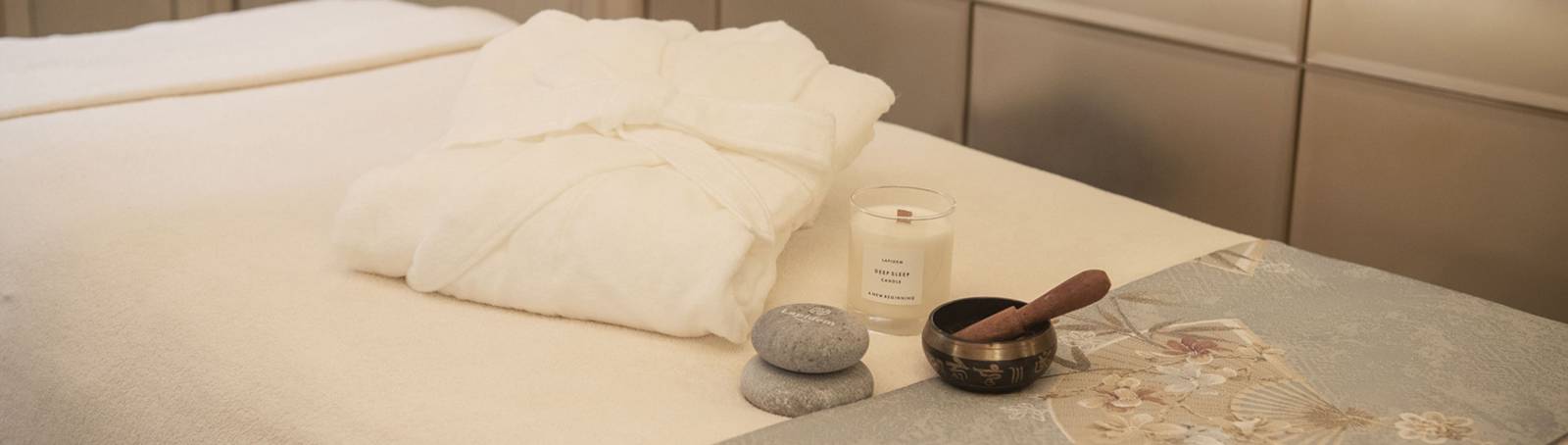
Imagine a spa where all five senses are stimulated to enhance relaxation and healing. Multi-sensory spa concepts integrate aromatherapy, sound healing, color therapy, and tactile experiences to create a fully immersive retreat. These treatments might include floating therapy pods, infrared light rooms, and synchronized sound and vibration therapy to promote deep relaxation. Such experiences offer a holistic escape from stress and could become a signature element in award-winning spas.
3. Biophilic Spa Design & Nature-Based Healing
Nature-inspired wellness is gaining momentum, with spas embracing biophilic design—a concept that incorporates natural elements like indoor waterfalls, botanical gardens, and open-air treatment rooms. These spaces use natural light, greenery, and organic materials to enhance relaxation and well-being. Additionally, treatments like forest bathing therapy, mineral-rich mud baths, and herbal steam rituals bring guests closer to nature, offering a deeply rejuvenating experience.
4. Space-Age Wellness: Zero-Gravity and Cryotherapy Spas
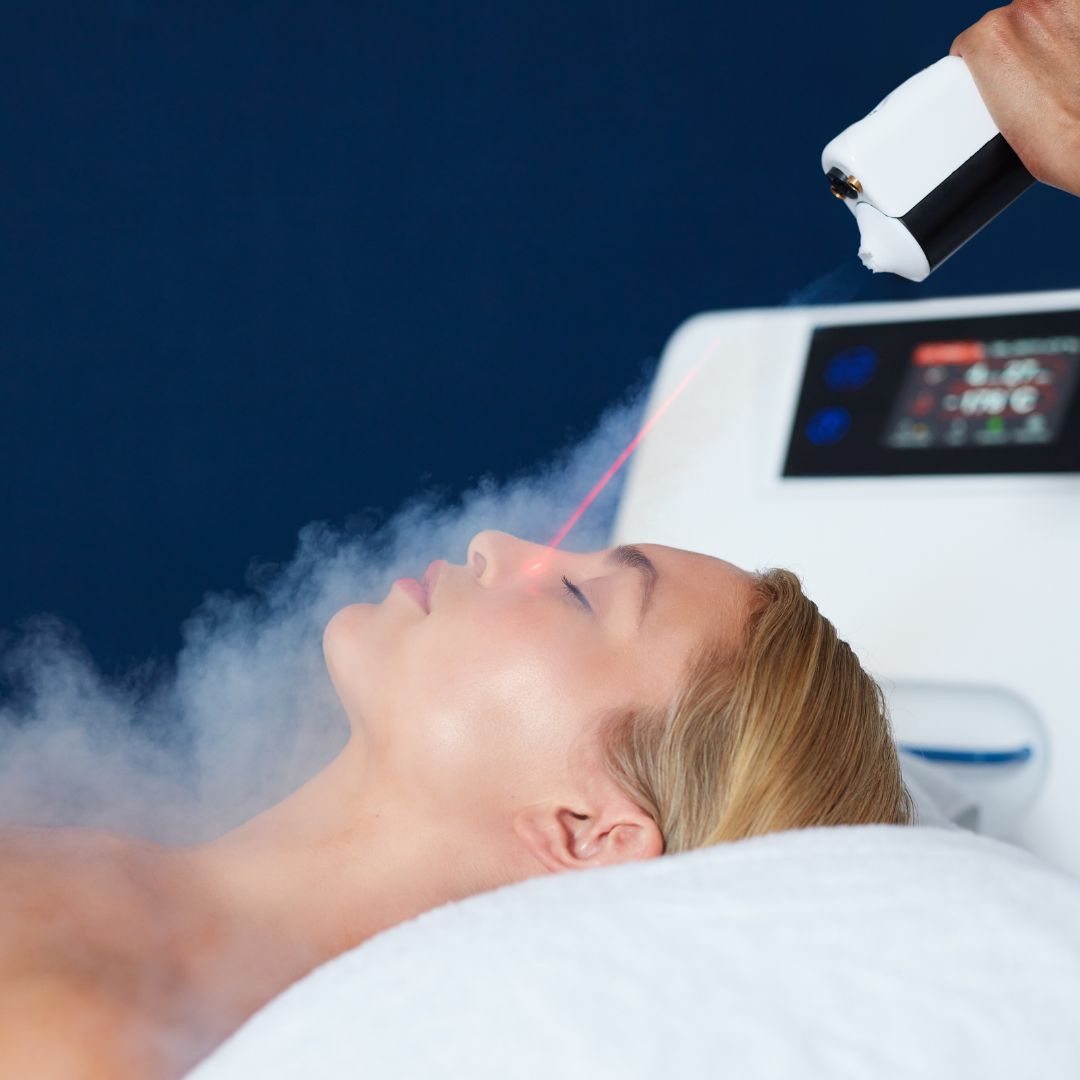
The future of wellness may very well include zero-gravity treatments and cryotherapy innovations. Spas are introducing anti-gravity massage chairs, weightless floatation tanks, and full-body cryotherapy chambers to enhance muscle recovery and stress relief. Zero-gravity environments reduce spinal pressure, while cryotherapy accelerates healing, boosts circulation, and revitalizes the body. This futuristic approach to relaxation could make these spas strong contenders for the 2025 awards.
5. Energy Healing and Vibrational Medicine
More spas are incorporating energy healing therapies such as Reiki, sound baths, and crystal therapy to align the body’s energy flow. Vibrational medicine, which uses sound frequencies to heal, is being integrated into massage beds, meditation rooms, and hydrotherapy sessions. Spas that focus on balancing both physical and energetic well-being are expected to stand out in 2025.
6. High-Tech Skincare and Regenerative Therapies
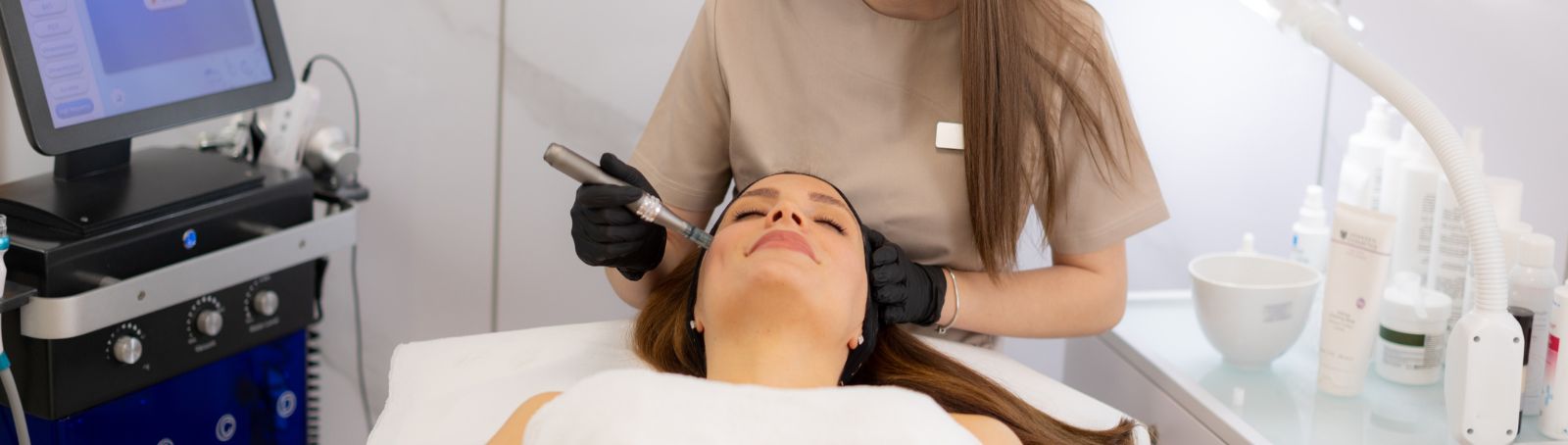
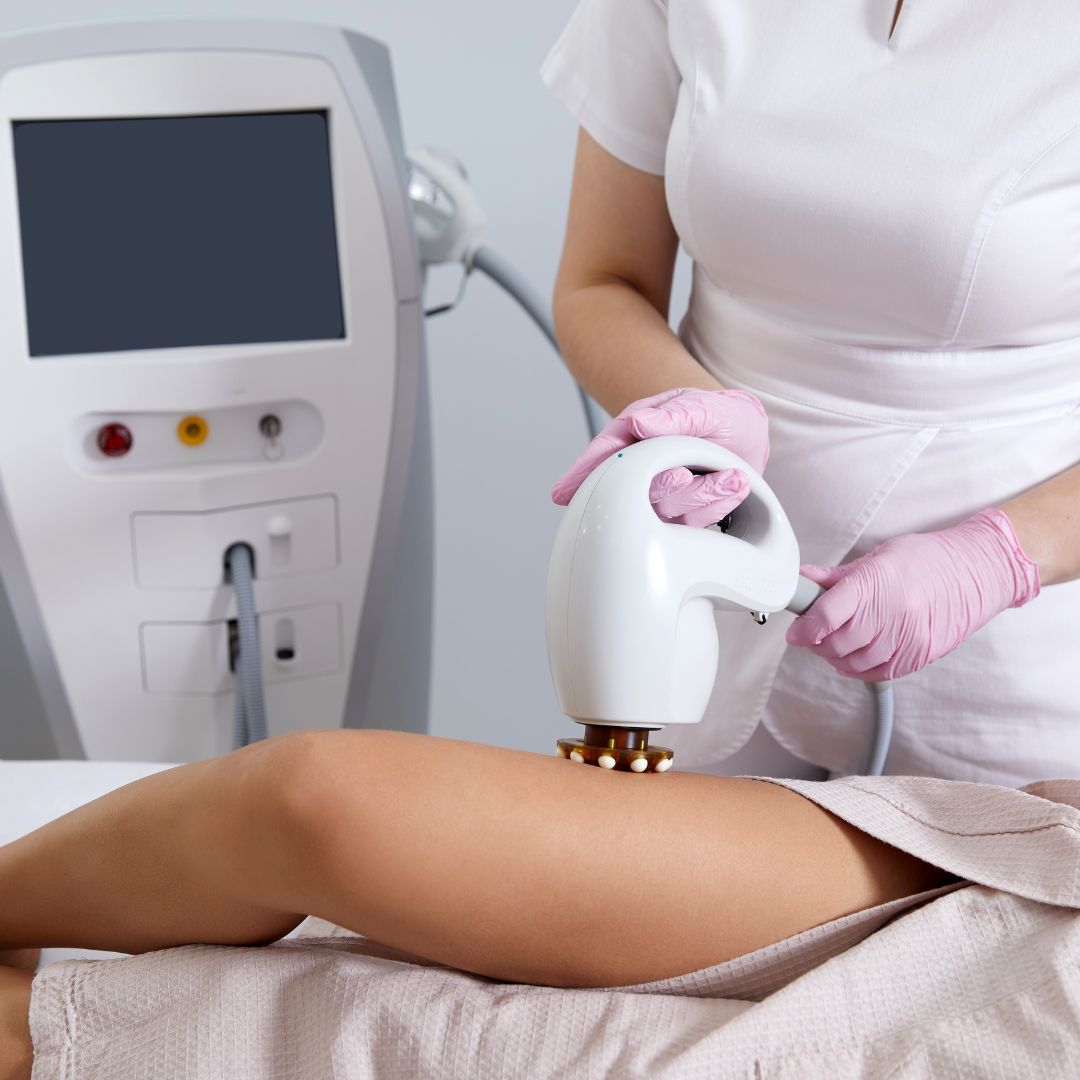
Spas are now offering next-generation skin treatments, including stem cell facials, LED light therapy, and radiofrequency skin tightening. With a growing focus on longevity and anti-aging solutions, treatments like oxygen facials, collagen-boosting serums, and non-invasive skin rejuvenation are setting new standards in spa skincare. These advanced techniques could make tech-forward spas the ones to watch at the 2025 awards.
7. Holistic Digital Detox Retreats
With increasing screen time and digital stress, spas are designing digital detox retreats that focus on mental and emotional well-being. These retreats encourage guests to disconnect from devices, engage in mindfulness practices, and participate in silent retreats, guided meditations, and journaling sessions. As mental wellness becomes a top priority, these innovative experiences could win big in 2025.
Conclusion
The future of the spa industry is being shaped by cutting-edge technology, nature-inspired wellness, and holistic healing techniques. As we look forward to the 2025 Spa Awards, spas that embrace these innovative concepts will set new benchmarks in luxury, relaxation, and well-being. Whether it’s AI-driven customization, space-age therapies, or immersive nature retreats, the next generation of spas promises to redefine the way we experience self-care.
At a glance: how to assess Innovative Spa Concepts That Could Dominate the 2025 Spa Awards
| Lens | Why it matters | What to verify |
|---|---|---|
| Signal | A credible trend appears across more than one campaign or launch. | Independent demand, adoption and repeat-use evidence |
| Guest value | Novelty should solve a clear guest problem or improve access. | Use case, inclusion, safety and service recovery |
| Operations | New concepts depend on training, maintenance and realistic throughput. | Skills, suppliers, downtime and cost to serve |
| Evidence | Health and sustainability claims require a higher threshold than aesthetic claims. | Source quality, limitations and review date |
What the evidence adds
A trend becomes strategically useful only when demand, delivery capability and evidence move together. Global Wellness Institute data helps distinguish structural market shifts from short-lived novelty, and ISPA research provides a spa-specific consumer and operator lens. Consult Global Wellness Institute data series and International Spa Association research library for the underlying definitions, evidence and limitations.
The central editorial test for Innovative Spa Concepts That Could Dominate the 2025 Spa Awards is proportionality. Evidence should match the size of the claim, dates should be visible, and commercial relationships should be disclosed. This produces writing that remains useful after a trend cycle or award edition has passed and gives readers a clear route to verify what may have changed.
For guests and readers
For readers, the practical value of Innovative Spa Concepts That Could Dominate the 2025 Spa Awards lies in making a complex choice easier to interrogate. A polished image, a famous name or a confident claim can begin the research process, but none should end it. The stronger editorial approach is to ask what was assessed, what can be verified now and which part of the experience matters to the individual guest.
For spa and wellness professionals
Translate the subject into observable standards: who owns the decision, which record demonstrates it, how often it is reviewed and how a guest can raise a concern. That discipline supports clearer editorial claims, stronger operations and a more credible relationship between recognition and the lived experience.
How to use this perspective
- Identify the guest problem before the technology.
- Separate a prototype from an operating result.
- Document training and maintenance requirements.
- Test accessibility and privacy implications.
- Set a review date before scaling the concept.
Editorial boundary: spa and wellness information supports informed choice but does not replace individual medical advice, local regulation or direct verification with the provider.
Related Spa Awards reading
Continue with Top Spa & Wellness Trends Shaping Award-Winning Spas in 2026 and The Role of Innovation in Award-Winning Spas: Beyond the Traditional Treatment. These perspectives add context without changing this article’s original URL or publication record.
Editorially reviewed and expanded on 16 July 2026. Time-sensitive offers, prices, personnel and operating details should be reconfirmed with the named provider.