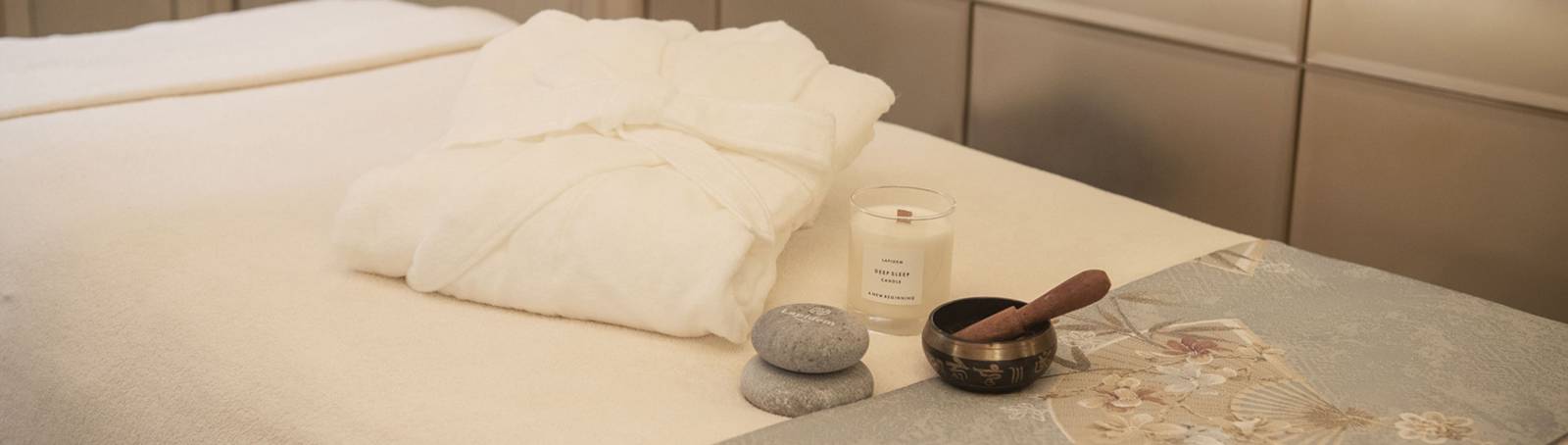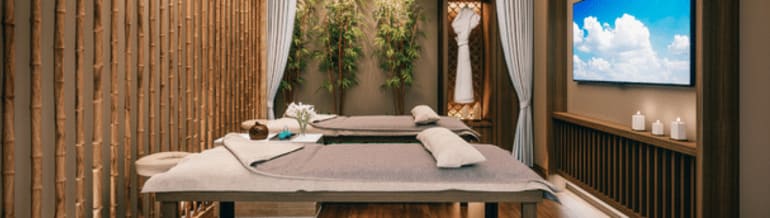
Finding rest and renewal is crucial for preserving overall wellbeing in the fast-paced world of today, when stress and anxiety have become daily companions. The idea of spas has developed beyond simple pampering and relaxation to include a holistic strategy that emphasizes healing and transformation. These refuges provide more than simply a break from the grind; they offer a haven for renewal, self-care, and personal development. Let's explore the enormous effects that these places of healing and transformation have on our lives as we delve into the philosophy of spas.
Holistic Wellness Approach
A holistic approach to wellness is at the heart of spa philosophy. These places of worship understand that true health includes the mind, body, and spirit. They focus on reestablishing harmony and balance in all facets of one's being rather than merely treating symptoms. Spas produce a full experience that encourages healing and transformation from within by including a variety of activities and therapies, such as massage, meditation, aromatherapy, and yoga. The interdependence of our physical, mental, and spiritual well-being is acknowledged by this holistic approach, enabling people to set out on a path of self-discovery and self-improvement.
Procedures for Rejuvenation
Spas use a wide variety of rejuvenation procedures that are tailored to each person's needs and tastes. These havens provide a variety of solutions to reestablish vitality and encourage profound relaxation, from conventional massage therapies to cutting-edge treatments inspired by ancient healing traditions. Techniques like hydrotherapy, hot stone therapy, facials, and body wraps not only rejuvenate the body but also significantly improve mental and emotional health. Professionally trained therapists and practitioners work their magic, relieving stress and discomfort while restoring clients' vitality and tranquility.
Powerful Transformation
The transformational potential of spa philosophy is one of its amazing features. Spas offer a setting that is conducive to personal development and transformation in addition to the physical advantages. These sanctuaries encourage people to discover their inner selves and nurture behaviors that promote long-term wellbeing by providing workshops, classes, and wellness retreats. Visitors are given the power to transform their lives through guided meditation sessions, mindfulness exercises, and workshops on nutrition and good lifestyle choices. This enduring impact of the spa philosophy's transforming element enables people to carry over the advantages of their spa experience into their daily routines.
The Mind-Body Relationship
The understanding of the relationship between the mind and body is essential to the philosophy of healing and transformation sanctuaries. Spa experiences work to close the gap between the physical and the mental by recognizing how much our thoughts and feelings affect our general health. Spas urge visitors to use their minds' capacity to accelerate healing and change through a variety of techniques like mindfulness, visualization, and energy healing. People can develop a stronger feeling of self-awareness, resilience, and inner serenity by fostering this relationship.
Self-Care Methods
Self-care is emphasized as a key component of maintaining general wellbeing in the spa philosophy. These places of refuge serve as a reminder for people to put their own needs first and schedule time for rest and renewal. Self-nurturing and self-compassion are encouraged through self-care activities like taking mineral-rich baths, engaging in aromatherapy, and going on thoughtful nature walks. Spa philosophy encourages a culture of self-care, empowering people to take charge of their own wellbeing and give their mental and physical health top priority.
Making a Healing and Transformational Sanctuary
Spas go beyond the physical setting to build a haven that fosters healing and change. A relaxing and rejuvenating mood is facilitated by quiet, peaceful surroundings, calming music, aromatherapy fragrances, and soft lighting. The atmosphere is purposefully created to elicit tranquility and encourage introspection. Spas enable people to unplug from the outer world and totally immerse themselves in the healing and transforming experience by establishing a tranquil and supportive environment.
Individualized Wellness Events
The wellness needs and preferences of each individual are acknowledged by the spa philosophy. As a result, a lot of spas provide uniquely designed wellness experiences that are catered to satisfy particular needs. Visitors can work with spa staff to develop a customized program that caters to their particular requirements, whether it be for stress reduction, detoxification, weight control, or spiritual discovery. Every visit to the spa is a transforming and meaningful experience thanks to this tailored approach.
Building Community and Relationships
Spas are locations where people can foster a sense of belonging and connection. A sense of community and support is fostered by bringing like-minded people together through wellness retreats, group courses, and shared experiences. It can be tremendously encouraging and inspiring to have the chance to connect with people who are traveling a similar path of healing and transformation. Spa visitors can establish deep relationships and develop a support system that lasts beyond their stay at the sanctuary through group activities, conversations, and shared meals.
The Development of Spa Thought
Spa philosophy has significantly changed over time, reflecting the shifting needs and preferences of people looking for healing and transformation. Spas used to be primarily thought of as places of luxury and pleasure that provided services geared toward relaxation and beauty. However, the idea of spa philosophy evolved to include a more holistic approach as people grew more conscious of how intertwined all aspects of their well-being are.
The merging of historical healing practices and contemporary wellness practices has received more attention in recent years within the spa philosophy. Today, many spas incorporate practices from Ayurveda, Traditional Chinese Medicine, and Native American healing rites. These practices are inspired by various cultural and spiritual traditions. These methods acknowledge that true healing affects the mind and soul as well as the physical body.
Environment and Nature's Function
The understanding of the therapeutic benefits of nature and the environment is another important component of spa philosophy. Many spas are found in scenic settings, surrounded by breathtaking views of the beach, mountains, or forests. The peace and connection to the land that these natural places offer enhance the healing and transformative experience.
Spas place a high priority on sustainability and environmentally friendly methods because they understand how crucial it is to protect the environment for future generations. Spas work to reduce their environmental impact and foster a healthy coexistence of humans and nature by employing natural and organic products and energy-saving technology.
Embracing Innovation and Technology
Spa philosophy blends technology and innovation while highlighting the value of interacting with nature and the ages-old knowledge of healing techniques. Spas now provide cutting-edge wellness and cosmetic treatments like virtual reality experiences, biofeedback gadgets, and sophisticated skincare technologies.
These scientific developments improve the efficacy of therapies and provide up new possibilities for unwinding and discovering oneself. For instance, virtual reality meditation apps can take users to peaceful settings, promoting intense relaxation and stress relief. The transforming journey of spa visitors is supported and enhanced by technology and innovation.
Growing Outside of the Spa
Spa philosophy is no longer limited to a spa's physical location. Healing and transformation sanctuaries' guiding ideas and methods have permeated many facets of daily life in addition to conventional spa environments. The wellness sector has seen an increase in retreat centers, wellness resorts, and even corporate wellness programs that offer services based on the spa idea.
In addition, people are bringing spa-inspired rituals into their daily lives. People are increasingly using mindfulness techniques, self-care rituals, and holistic wellness techniques as they try to build their own healing and transformational spaces in their homes and workplaces. As a result, spa philosophy has evolved into a way of life that goes beyond a single spa session.
Philosophy of Spa in the Future
Future trends indicate that spa philosophy will continue to change and adapt to people's shifting demands and preferences. The future of spa experiences will be shaped by the incorporation of technology, the investigation of cutting-edge wellness treatments, and the growing comprehension of mind-body-spirit links.
Furthermore, the spa idea is projected to become even more pervasive in people's life as a result of the increased emphasis on preventative healthcare and holistic well-being. The popularity of healing and transformational spaces will increase as more people realize that taking care of oneself is not a luxury but a necessity for general wellbeing.
At a glance: how to assess Sanctuaries for healing and transformation
| Lens | Why it matters | What to verify |
|---|---|---|
| Experience | Relaxation and personal preference are valid outcomes when described accurately. | Guest goal, comfort and informed consent |
| Evidence | Benefits vary by treatment, condition and study quality. | Claim, source, population and limitation |
| Safety | Screening and referral boundaries protect guests and practitioners. | Contraindications, hygiene and escalation |
| Aftercare | Clear guidance should be modest and individualised. | Hydration, skin response and when to seek care |
- 01EXPERIENCEClarify the question
- 02EVIDENCEReview the evidence
- 03SAFETYAssess the practice
- 04CHOICEReach a proportionate view
What the evidence adds
Spa experiences can support rest and enjoyment, but treatment claims need careful language. The US National Center for Complementary and Integrative Health summarises evidence and safety for massage and related approaches, while WHO places self-care within a wider health-system context. Consult NCCIH massage therapy evidence and safety and WHO self-care for health and well-being for the underlying definitions, evidence and limitations.
For readers, the practical value of Sanctuaries for healing and transformation lies in making a complex choice easier to interrogate. A polished image, a famous name or a confident claim can begin the research process, but none should end it. The stronger editorial approach is to ask what was assessed, what can be verified now and which part of the experience matters to the individual guest.
For guests and readers
For operators, Sanctuaries for healing and transformation is best treated as a management question rather than a campaign slogan. The guest promise must be visible in recruitment, consultation, hygiene, treatment delivery, accessibility, complaints and follow-up. When those systems are documented, recognition can communicate real work instead of covering gaps with prestige language.
For spa and wellness professionals
Translate the subject into observable standards: who owns the decision, which record demonstrates it, how often it is reviewed and how a guest can raise a concern. That discipline supports clearer editorial claims, stronger operations and a more credible relationship between recognition and the lived experience.
How to use this perspective
- Share relevant conditions and medicines before treatment.
- Ask about practitioner training and scope.
- Be cautious with cure, detox and immunity claims.
- Stop if a treatment causes pain or distress.
- Seek clinical advice for persistent or serious symptoms.
Editorial boundary: spa and wellness information supports informed choice but does not replace individual medical advice, local regulation or direct verification with the provider.
Related Spa Awards reading
Continue with Science-Based Therapeutic Spa Treatments and The Benefits of Visiting Award-Winning Spas for Your Health and Wellness. These perspectives add context without changing this article’s original URL or publication record.
Editorially reviewed and expanded on 16 July 2026. Time-sensitive offers, prices, personnel and operating details should be reconfirmed with the named provider.