Official selection dossier · 2026
Széchenyi Thermal Bath and Swimming Pool
Budapest, Hungary
Medical Spa
Published record
Profile summary.
Information shown here reflects the fields currently available in this public Spa Awards profile.
- Experience
- Medical Spa
- Location
- Budapest, Hungary
- Guest rating
- 4.2 / 5
- Recognition
- 1 official selection
- Visual archive
- 4 images
- Official source
- Available
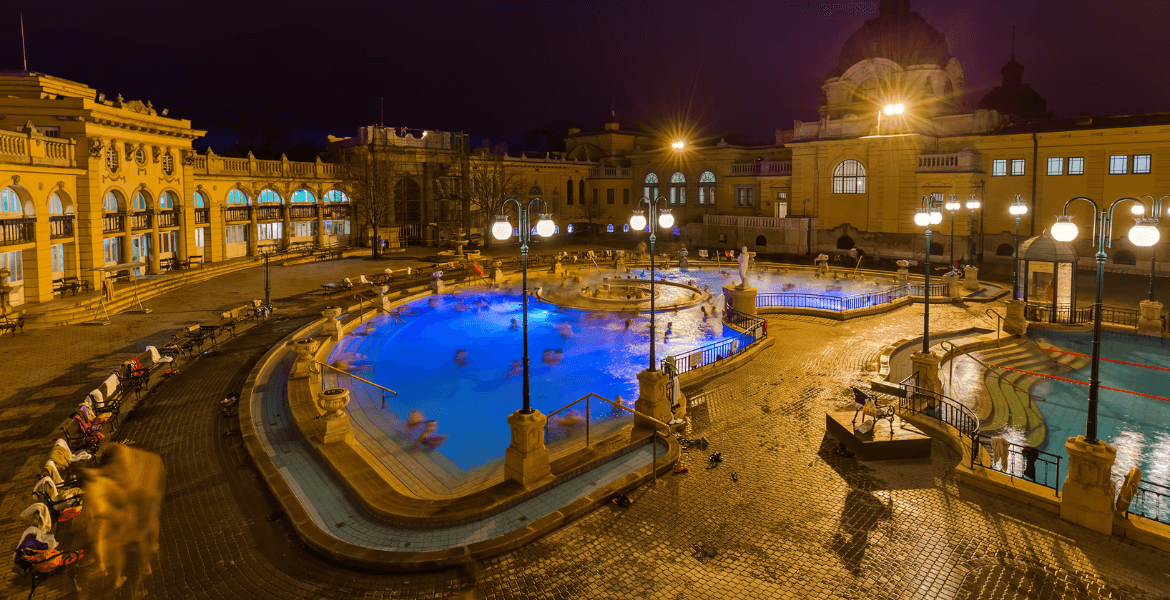
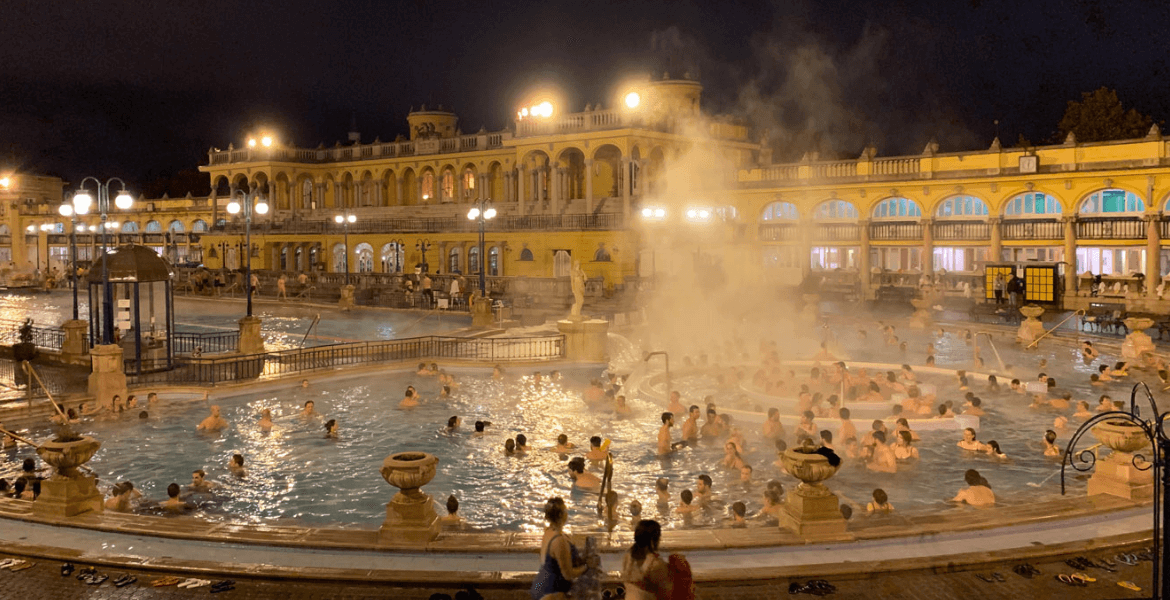
Széchenyi Thermal Bath and Swimming Pool is a public historic bath complex in Budapest’s City Park. It is not a hotel spa or a single treatment room. General bath admission, private spa, day-spa, medical services and sauna programmes operate under different schedules and conditions.
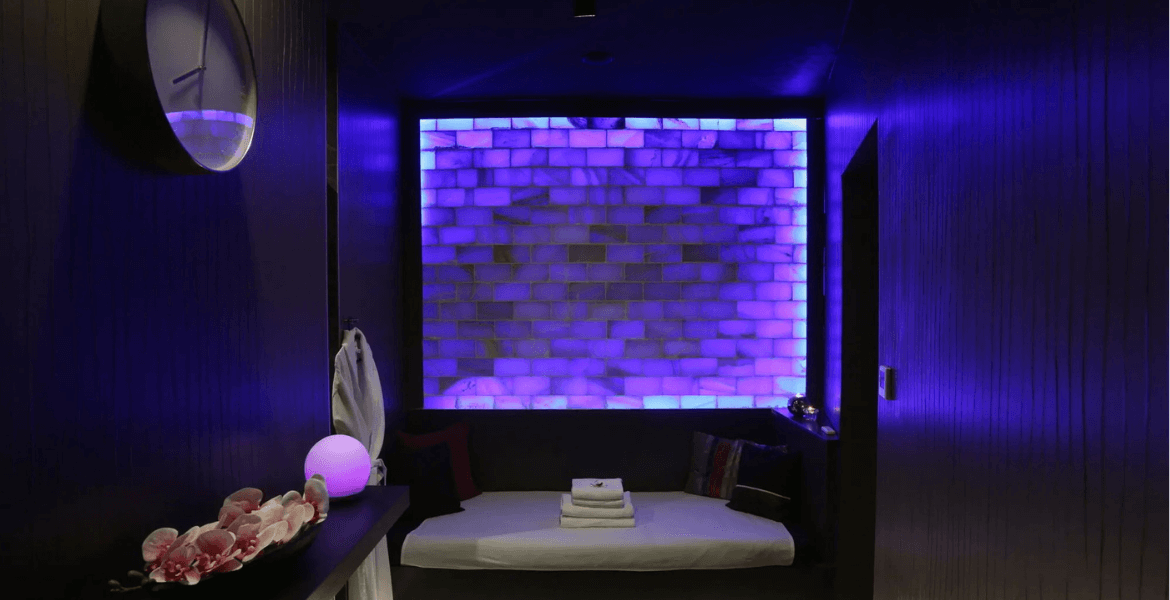
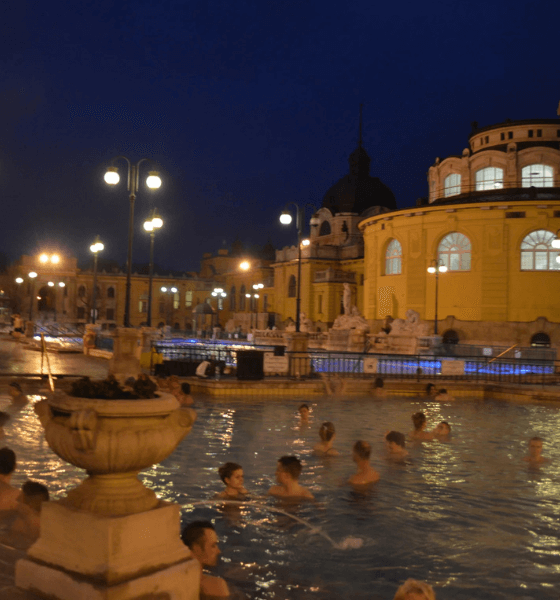
The current facility map includes outdoor thermal and leisure pools, a lap pool, numerous indoor pools at different temperatures, cold plunges, saunas, steam baths and a salt-inhalation chamber. Some medical pools are available only with a prescription.
Bath hours are Monday to Thursday 07:00–20:00, Friday 07:00–22:00 and Saturday and Sunday 08:00–20:00. Pool, sauna and hot-air areas close twenty minutes before the building; cash desks close one hour before closing. Holiday and peak-season hours can differ.
Private Spa operates daily 08:00–19:00. Day-spa hours are 09:00–18:00 Monday to Thursday and 09:00–19:00 Friday to Sunday. Medical Spa is listed Monday to Friday 09:00–19:00. Ask which ticket and appointment apply to the intended service.
The official services page states that the bath cannot be visited under age fourteen. Families should confirm the current rule before buying, and should not infer child access from general Budapest tourism information or older policies.
The verified address is Állatkerti körút 9–11, 1146 Budapest, Hungary. The official site recommends the Millennium Underground and trolleybus 72. Buy through the official ticket route and check the date because tickets may be released only weeks in advance.
Different pool temperatures, sauna heat and cold plunges may not suit every visitor. Pregnancy, cardiovascular or blood-pressure concerns, acute illness and other relevant conditions warrant individual medical advice. Move gradually and leave immediately if dizzy or unwell.
Thermal-water and sauna language should not be treated as a promise to cure disease, detoxify the body or improve circulation. Medical services are distinct and may require prescription or clinical assessment. General admission does not provide individual medical supervision.
Ask about cabin or locker selection, swimwear, swim cap rules for the lap pool, towels, footwear, valuables, final entry and overtime. Arrive with enough time to change and orientate before facilities begin closing.
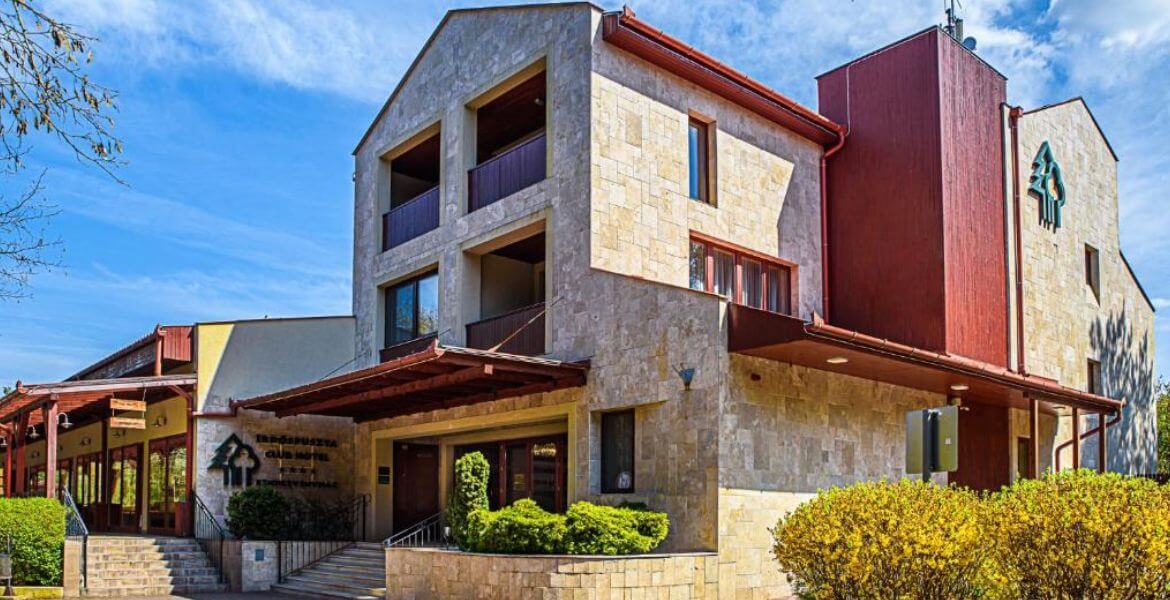
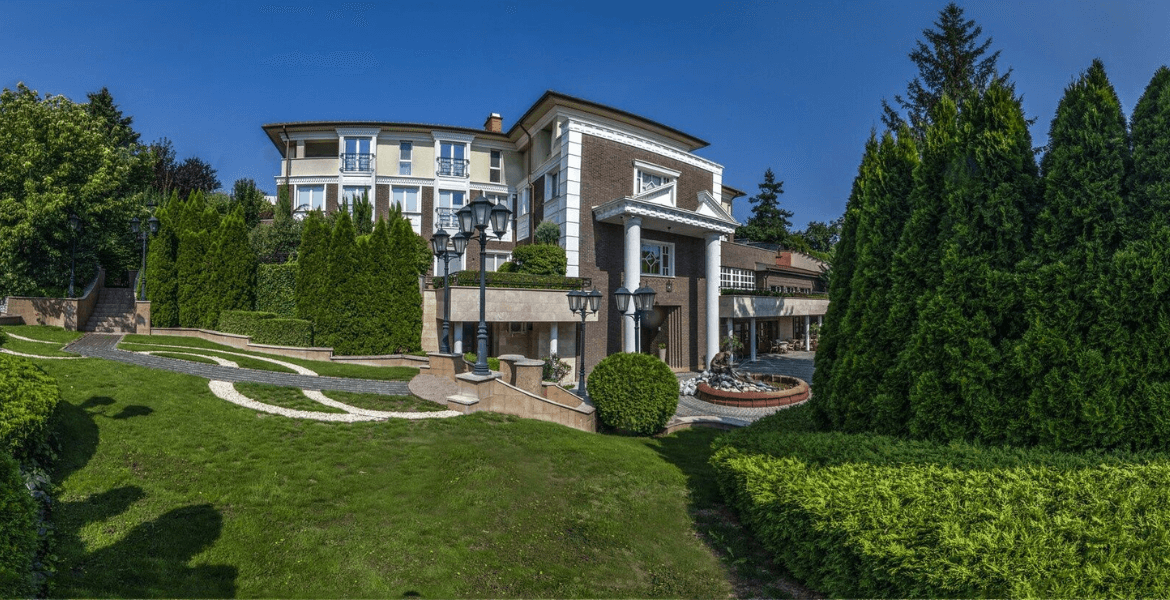
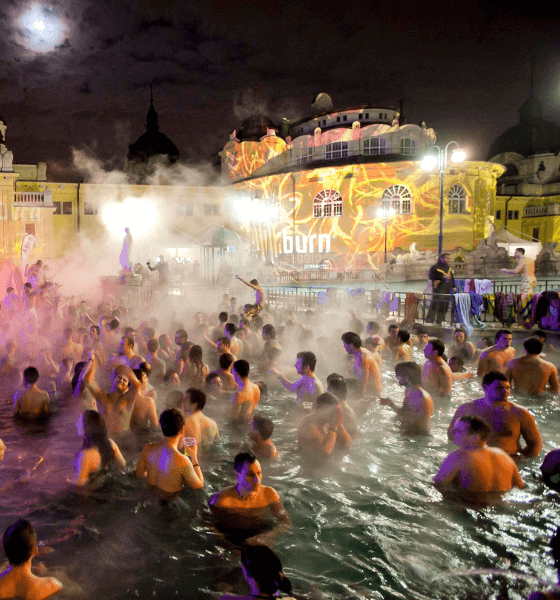
The profile currently has four published images. Its editorial content is complete, but it remains below the six-media target. Additional official images will be held until provenance and reuse permission are documented.
Sauna rituals are arranged on site and should not be assumed to be included in every ticket. Private and massage services require their own confirmation even when the general bath remains open.
Check the official available-services page on the visit date because individual pools or saunas can close for maintenance while the bath remains open. A valid general ticket does not guarantee every named facility. Keep the ticket source and date visible and avoid buying from an unverified reseller.
Visitors using a private cabin, day-spa package or medical appointment should ask where to check in and how its timing interacts with general admission. Cash-desk closure means late arrival can prevent entry even while pools are still operating.
Keep a dry layer for movement between outdoor and indoor zones, particularly in cold weather. Staff instructions and posted rules take precedence over older travel articles or photographs.
Recorded experiences
Programmes, treatments and facilities.
5 entries are connected to this profile.
-
Medicinal Thermal Soaking
-
Hungarian Wine Massage
-
The Private Palm House
-
Aroma-relax massage
-
Icelab / Cold Therapy
Published photography · 4 total
The visual record.
Profile cover and supporting photographs connected directly to this Spa Awards record.
Published recognition
The laureate record.
Winner and official-selection records are presented separately and linked to their published annual context.
-
2026 · Budapest · Official selection
Best Spa Budapest
No. 7Published rank
View published selection
Practical information
Plan your visit.
Confirm access, treatments and availability directly with Széchenyi Thermal Bath and Swimming Pool before travelling. Spa Awards does not operate the venue or process reservations.
Open booking page- Address
- Állatkerti körút 9–11, City Park, 1146, Budapest, Hungary
- Map
- Open in maps
- Telephone
- +36 30 757 6110
- Website
- Visit official website
- Reservations
- Open booking page
- Profile updates
- Report a correction