Official selection dossier · 2026
Gyeongwonjae Ambassador Incheon
Incheon, Korea
Luxury Hotel Spa
Published record
Profile summary.
Information shown here reflects the fields currently available in this public Spa Awards profile.
- Experience
- Luxury Hotel Spa
- Location
- Incheon, Korea
- Guest rating
- 4.8 / 5
- Recognition
- 1 official selection
- Visual archive
- 4 images
- Official source
- Available
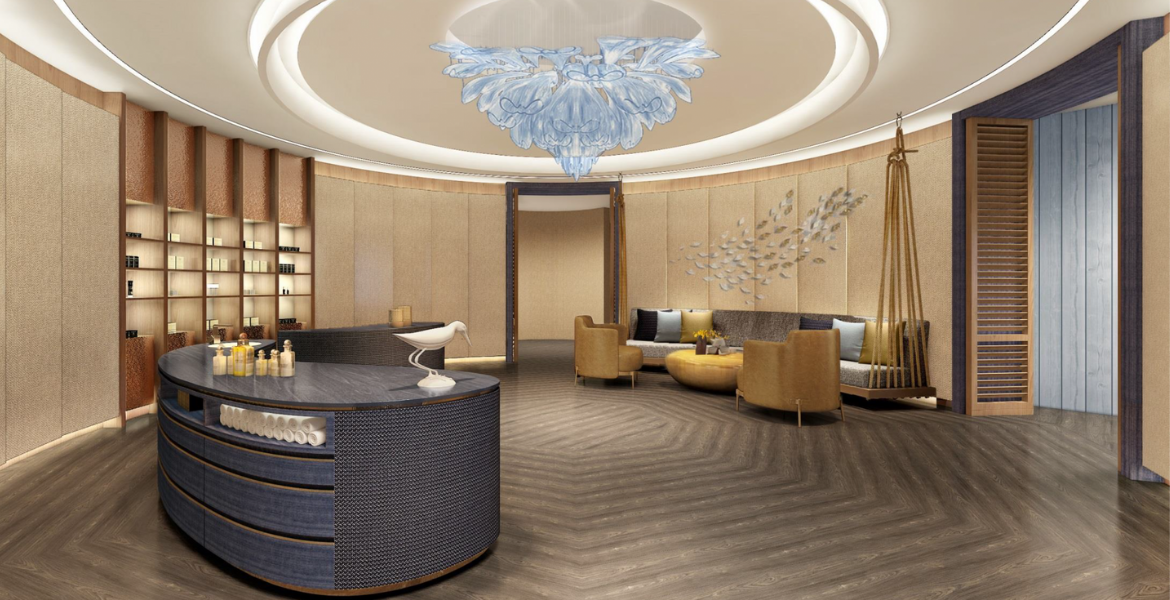
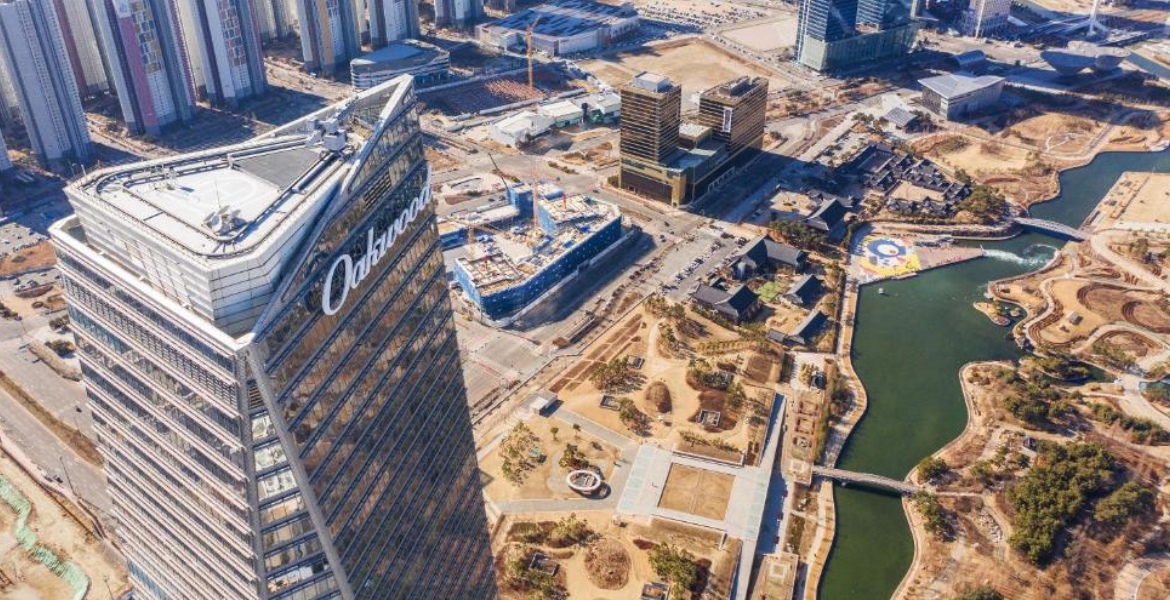
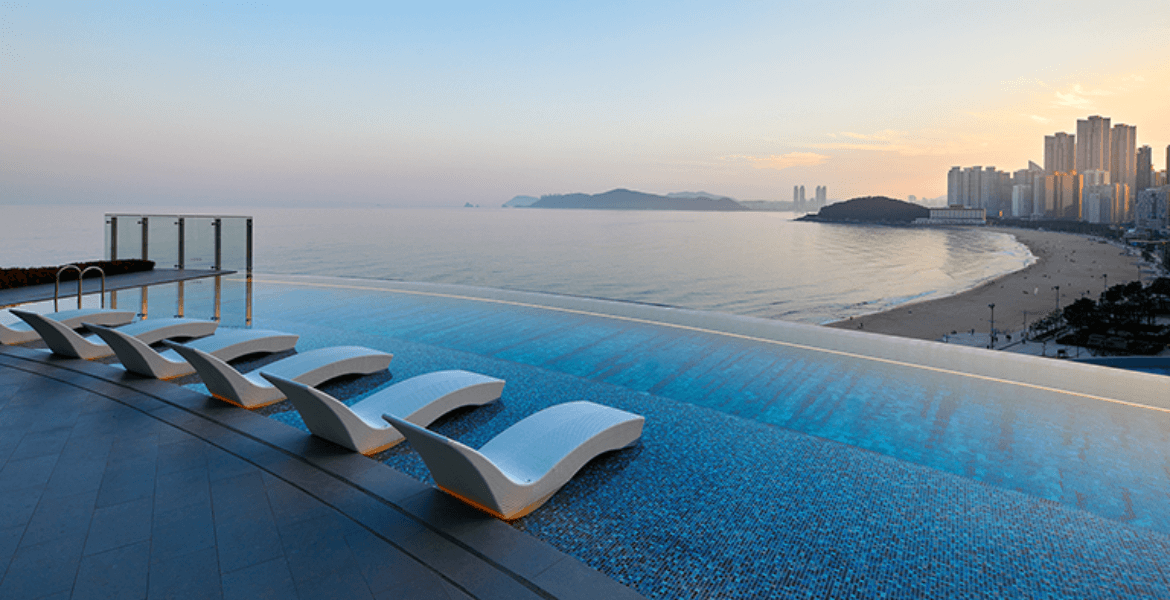
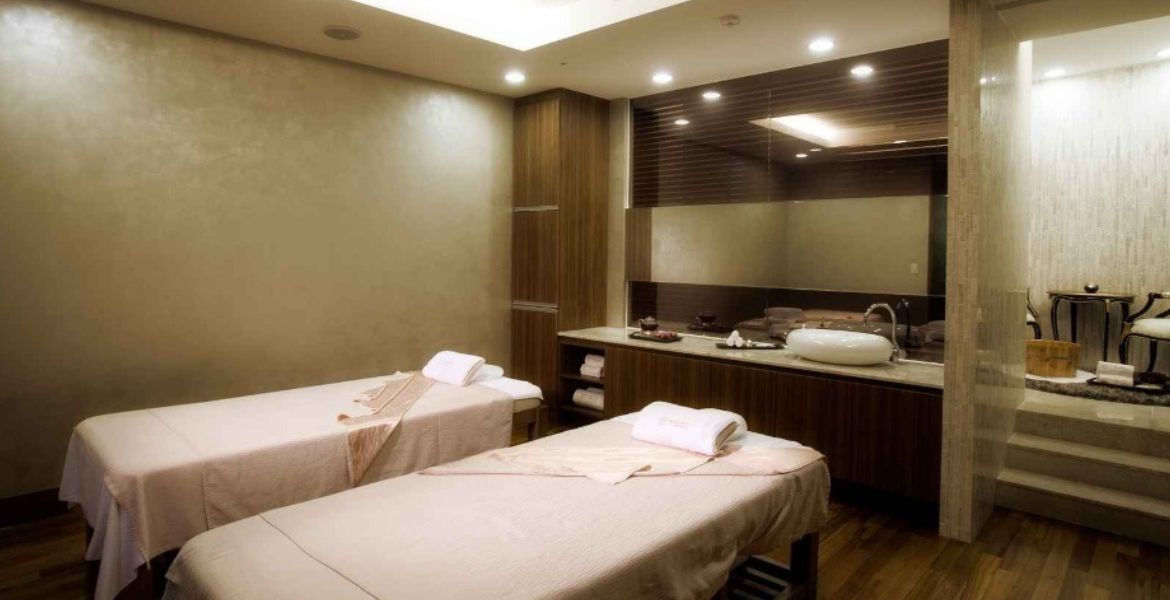
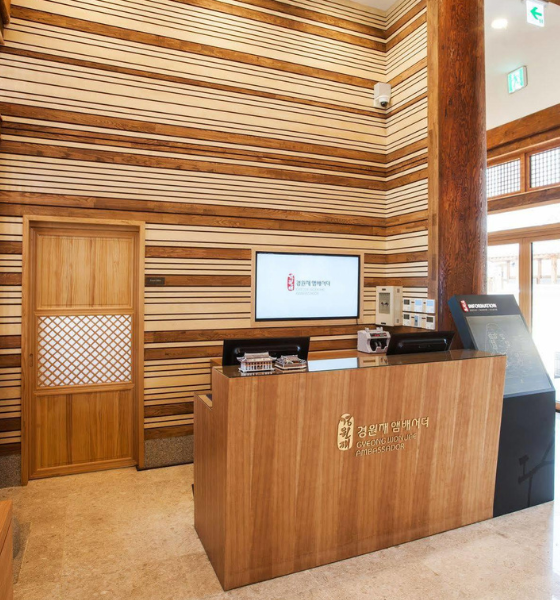
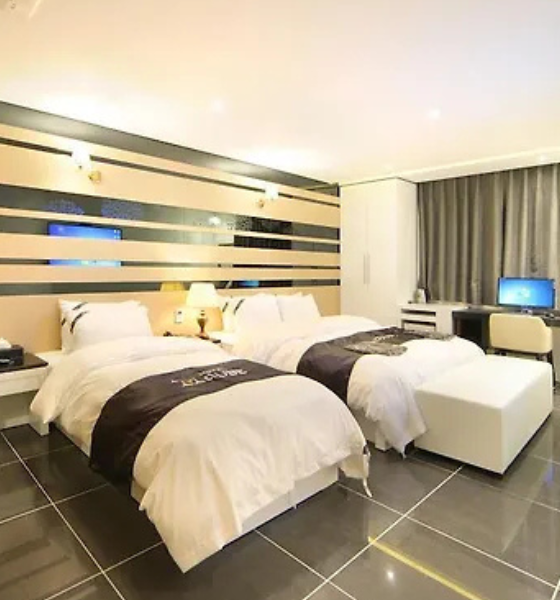
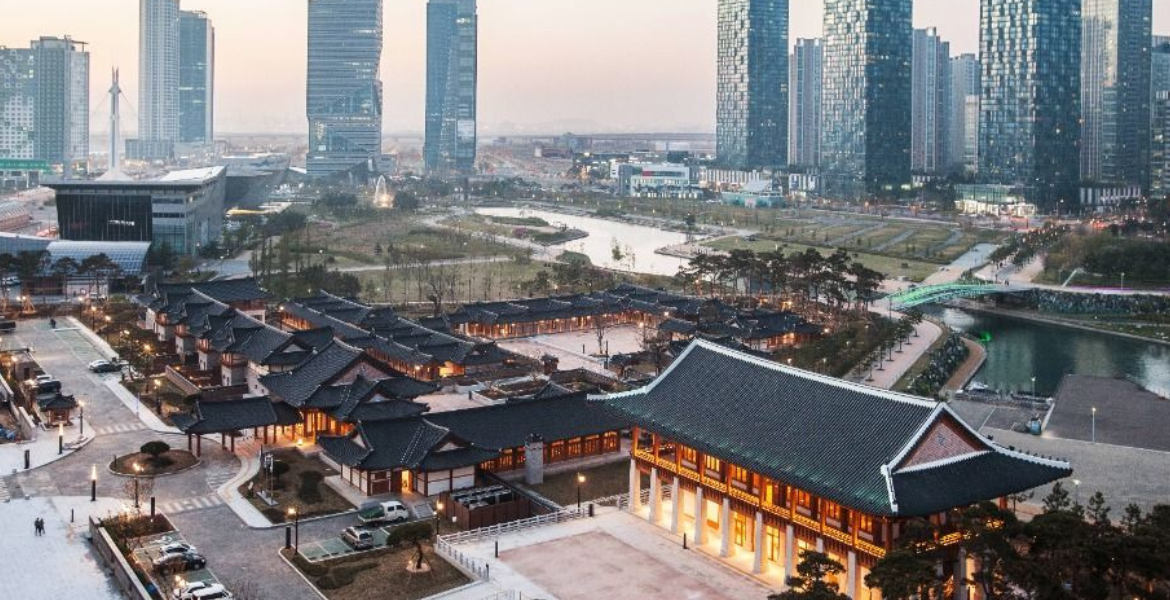
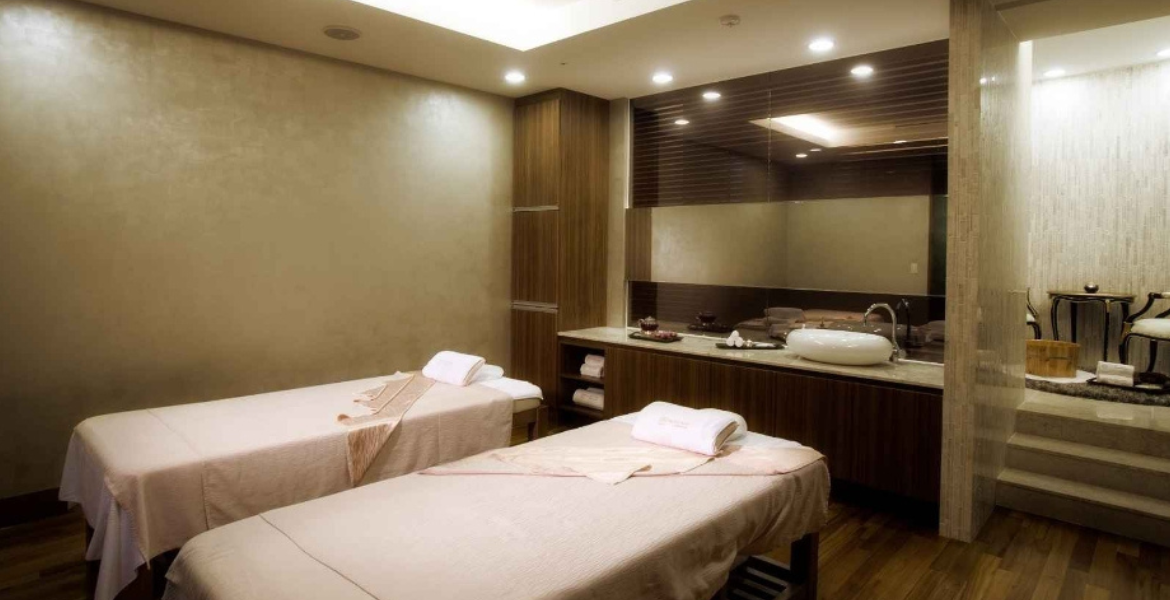
Gyeongwonjae Ambassador Incheon (associated with Walkerhill in 2026) is the definitive choice for travelers seeking an authentic Korean wellness experience. Located within Songdo Central Park, it offers 30 rooms that function as private retreats. While it lacks a public pool or a clinical massage center, it offers something rarer: absolute privacy in a traditional setting.
In 2026, the hotel is a popular choice for "Filial Piety" trips (bringing parents for rest) and romantic getaways. Guests can wear provided Hanboks (traditional clothing) to walk through the gardens after their bath. Note that from February to March 2026, the main dining venue, Sura, is undergoing renovations, but breakfast and business services remain available through alternate facilities on-site.
A unique feature for 2026 is the "Cypress & Tea Ritual"—a curated in-room experience where a traditional tea set is provided to enjoy while soaking. Whether you are seeking the medicinal benefits of a Hinoki bath or the warmth of an Ondol floor, Gyeongwonjae provides a quiet, high-class, and culturally rich escape that is the soul of Incheon’s wellness scene.
Recorded experiences
Programmes, treatments and facilities.
5 entries are connected to this profile.
-
Large Cypress (Hinoki) Bathtubs
-
Traditional Medicinal Soaks
-
Private Suite Saunas
-
Ondol (Heated Floor) Recovery
-
Massage Chairs


Published recognition
The laureate record.
Winner and official-selection records are presented separately and linked to their published annual context.
-
2026 · Incheon · Official selection
Best Spa Incheon
No. 8Published rank
View published selection
Practical information
Plan your visit.
Confirm access, treatments and availability directly with Gyeongwonjae Ambassador Incheon before travelling. Spa Awards does not operate the venue or process reservations.
Official website- Address
- 200 Technopark-ro, Yeonsu-gu, Incheon 22066, South Korea.
- Map
- Open in maps
- Website
- Visit official website
- Profile updates
- Report a correction